
I went to a talk recently for Michael Rosen's new book Good Days: An A-Z of Hope and Happiness which I'd highly recommend, it's full of great wisdom and laugh out loud moments.
But the really good stuff came when an audience member asked him how to help kids who just don't want to read or write. You could feel everyone in the room really sit up and listen!
Michael's never held back about how many school writing curriculums and lessons miss the point - all that focus on levels and skills can really squeeze the fun out of it. He shared some simple, surprisingly effective things he’s seen unlock a child’s creativity when writing feels like a chore.
These ideas aren't just for kids - they can help anyone rediscover the joy of putting pen to paper (or fingers to keyboard!) so they're great for doing alongside your child.
Writing Pebbles

The idea here is to write something small each day, which builds over time into something lasting, meaningful and entirely your own. Just like the way many pebbles create a beach.
It's a bit like a diary but can be about absolutely anything rather than just your day and works for all ages and abilities.
Take a small notebook and just write something down on one of the pages. It could be a thought, a question, an idea, a poem, the results of your favourite sports team - anything.
Each day, just make a note of it. If your child isn't writing yet, writing for them is just as valuable while they share their ideas with you.
Example from some of the 'pebbles' we've done recently:
✍️ Chilli (the dog) chews cheesy shoes, cheesy shoes Chilli chews. If Chilli chews cheesy shoes, where are the cheesy shoes she chews?
✍️ Predictions for the podium in Sunday's Formula 1 race - 1) Norris 2) Verstappen, 3) Russell.
✍️ I found a grasshopper and I am keeping it. I am feeding it banana and lemon and it doesn't seem to want it. Oh yes, and it is called Grassy.
✍️ The mist across the valley looks like dragon's breath. Where does it go? Where's the dragon? Maybe he's nocturnal.
That's it. No pressure for spelling, grammar, handwriting - or even to share. It's just a way to write that is fun, pressure-free and creative.
If you can do this regularly for a few weeks or months, you end up with a little story of you over time.
(He also has a book titled Pebbles, which is made up of some of his best poetry tweets - you can find it here.)
Talk to the Animals!

This is such a great idea for fun, creative writing and includes some grammar too!
It works well if you have a pet (we don't), but can also be used for any animal, insect or bird you come across - my kids like using it for their teddies.
🐶 Imagine you're having a chat to your pet, the pigeon or squirrel in the garden, the spider in the bath or your child's favourite stuffed toy and write a little dialogue between you. Or the animals could be having a chat between them.
You can introduce speech marks and grammar for the dialogue but do so with a light touch if they're not confident. Model the basics - even write for them if they're not writing yet - but if the grammar overcomplicates things, then leave it for now. The point is to get a dialogue going between you and the animal / teddy.
A dialogue between my daughter and our resident pigeon, Pidge.
"Morning Pidge, are you hungry?
"No, I'm just having a little walk in the garden."
"But yesterday you ate all the food."
"That wasn't me. I don't eat, I just walk."
"So you don't want any breakfast?"
"Well, ok then. I'll have a little nibble."
"Here you go. Oh, you ate it all."
"Oops!"
"That's ok, I knew it was you yesterday!"
Using Play Scripts to Bring Stories and Writing to Life
Acting out a play is such a fun and effective way to bring stories to life. When children become the characters, they understand them more deeply - which makes it easier to write from their point of view, describe them in detail or imagine new scenes or parts to the story.
In my classroom, the most creative and engaging writing often came after role play. It’s a brilliant tool for storytelling, building confidence and making reading and writing feel exciting.
Even Shakespeare becomes more relatable this way - Michael Rosen spoke of encouraging teens (or any age to be honest) to act out key scenes to better understand the characters and intensity of the story. (I still remember the words from a particular harrowing scene I acted out in GCSE English as Mercutio in Romeo and Juliet!)
So many of Shakespeare's plays touch on themes teens really get - but that's not always obvious on its first reading or if introduced to them in a dull, uninspiring way.
I’ll share more on the brilliance of Shakespeare in a future post. For now, here are three books to get you started with bringing stories and plays to life - or make up your own!
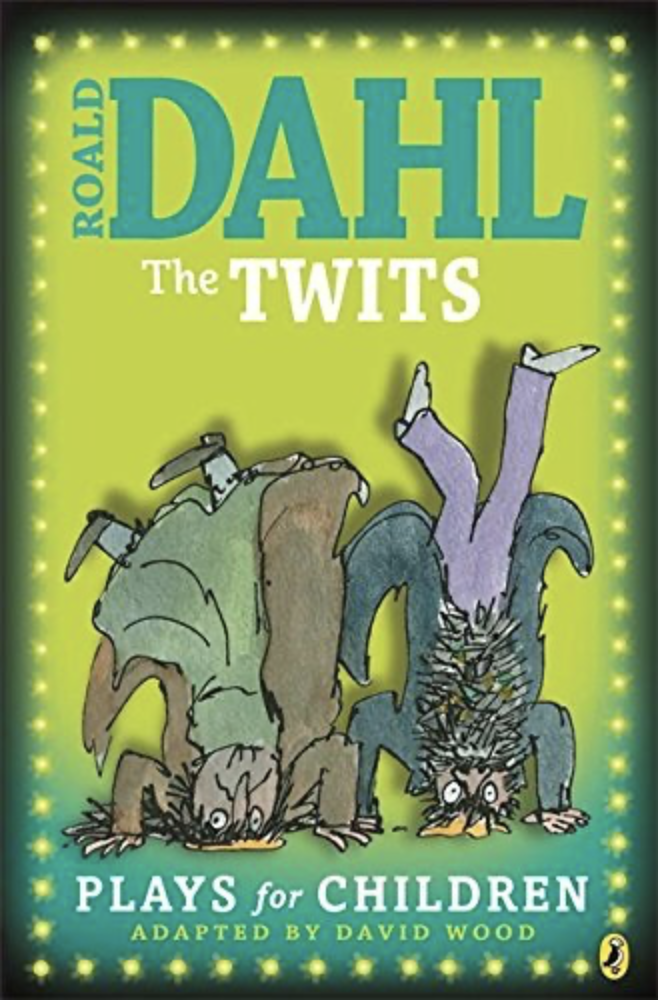
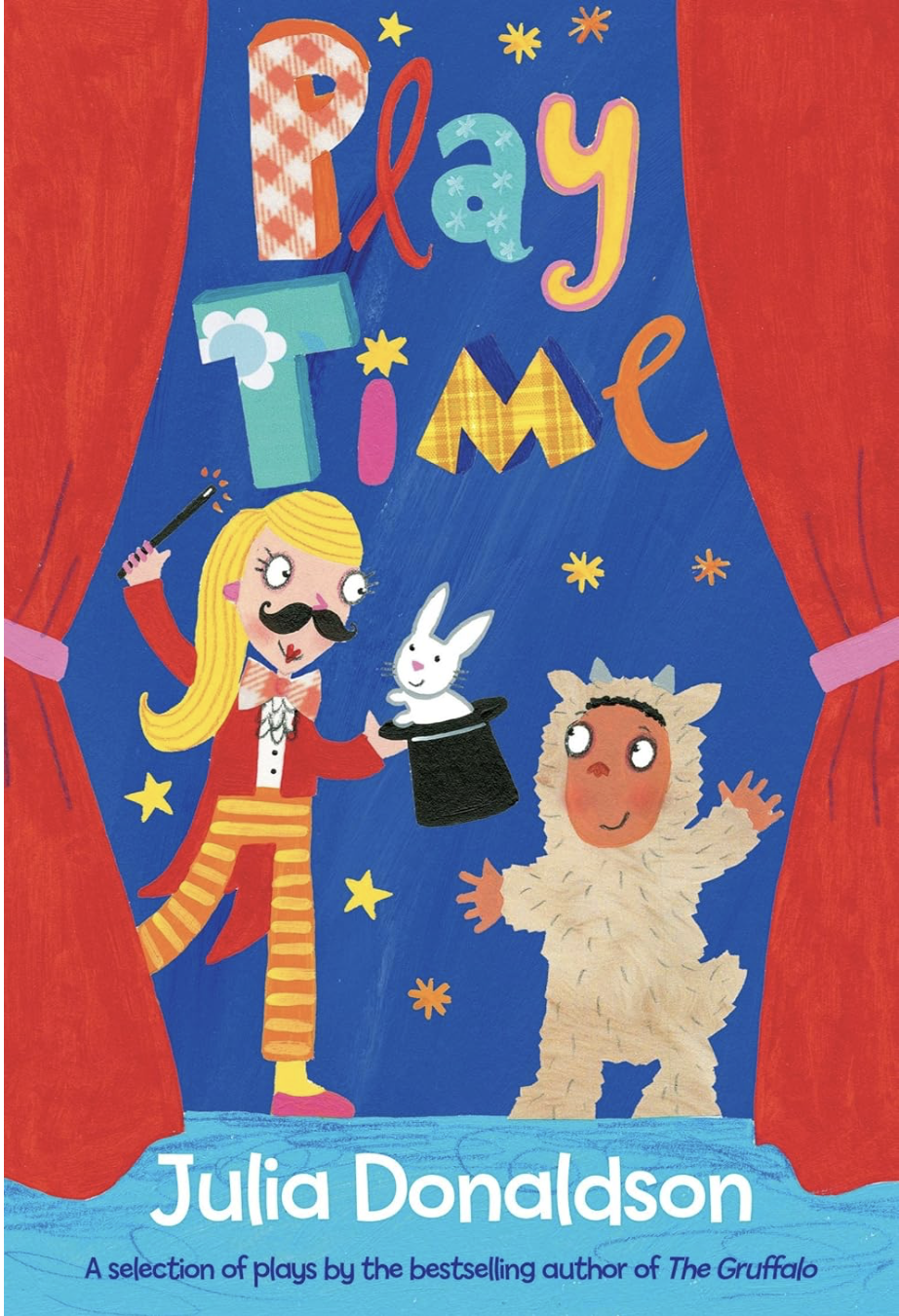
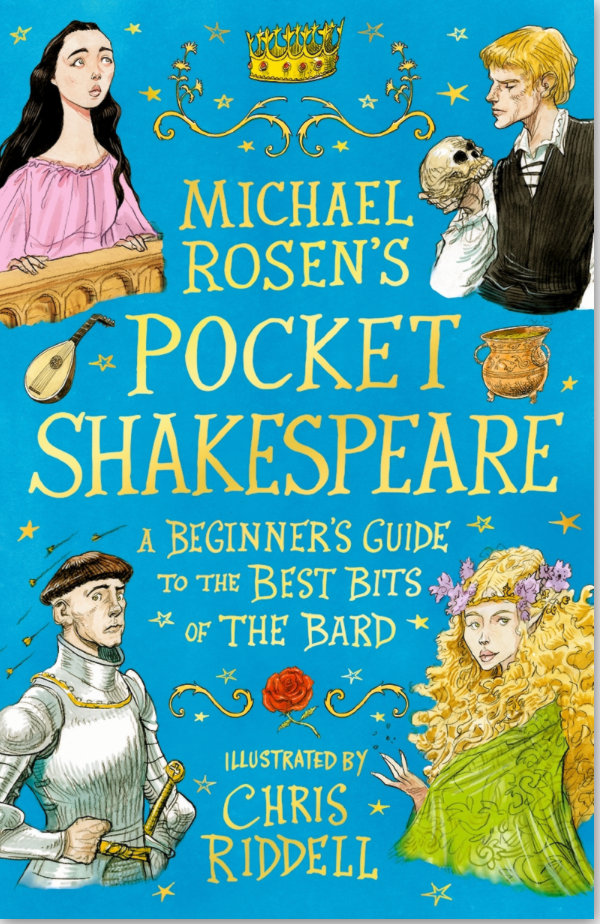
Roald Dahl play scripts including The Twits (a particular fun one to act out) and The Witches. Play Time by Julia Donaldson. Michael Rosen's Pocket Shakespeare.
Graphic Novels - A Brilliant Way to Hook Reluctant Readers
Michael Rosen is a big advocate for using graphic novels to support reading - and with good reason.
There can be some snobbery around graphic novels over 'real' novels, but they can be brilliant for getting reluctant readers to enjoy books. Here’s why they work so well:
- Short, manageable chunks of text - They're much less overwhelming than a full page of writing.
- Visual support - The images help with understanding the storyline, emotions and context.
- Classics made accessible - You can find adaptations of many classics and other well known stories, making them more accessible than the originals for some children.
- Builds visual literacy - a lot of information needs to be interpreted from the images, facial expressions and layout.
- Sparks creativity - It can be much less daunting for kids to create their own graphic novels than writing a traditional story.
- Great for stamina and confidence - They can help build reading resilience without the pressure of long chapters.
Graphic novels are relatively new to us, but we’ve been really enjoying them lately. Here are a few we’d recommend:
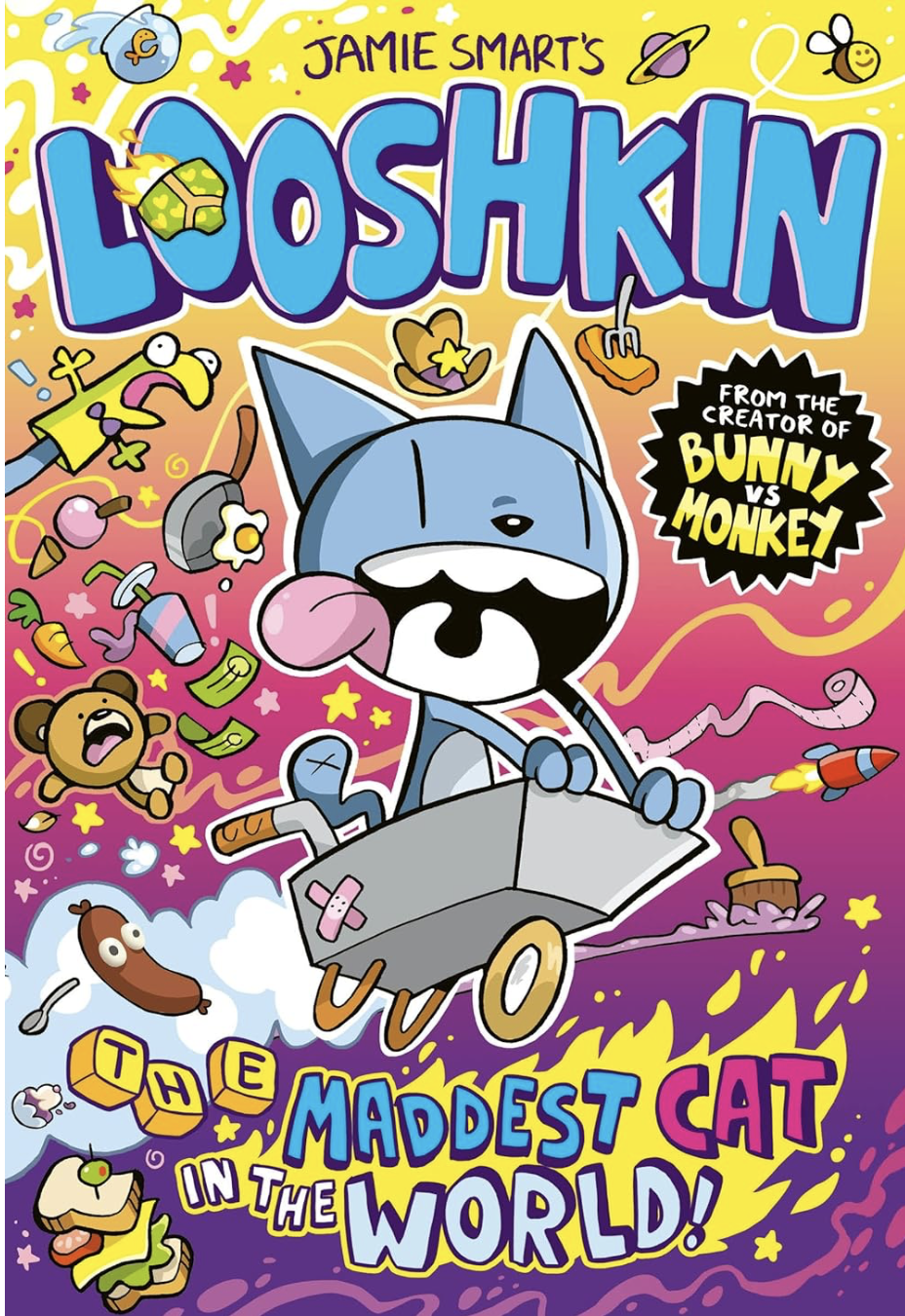
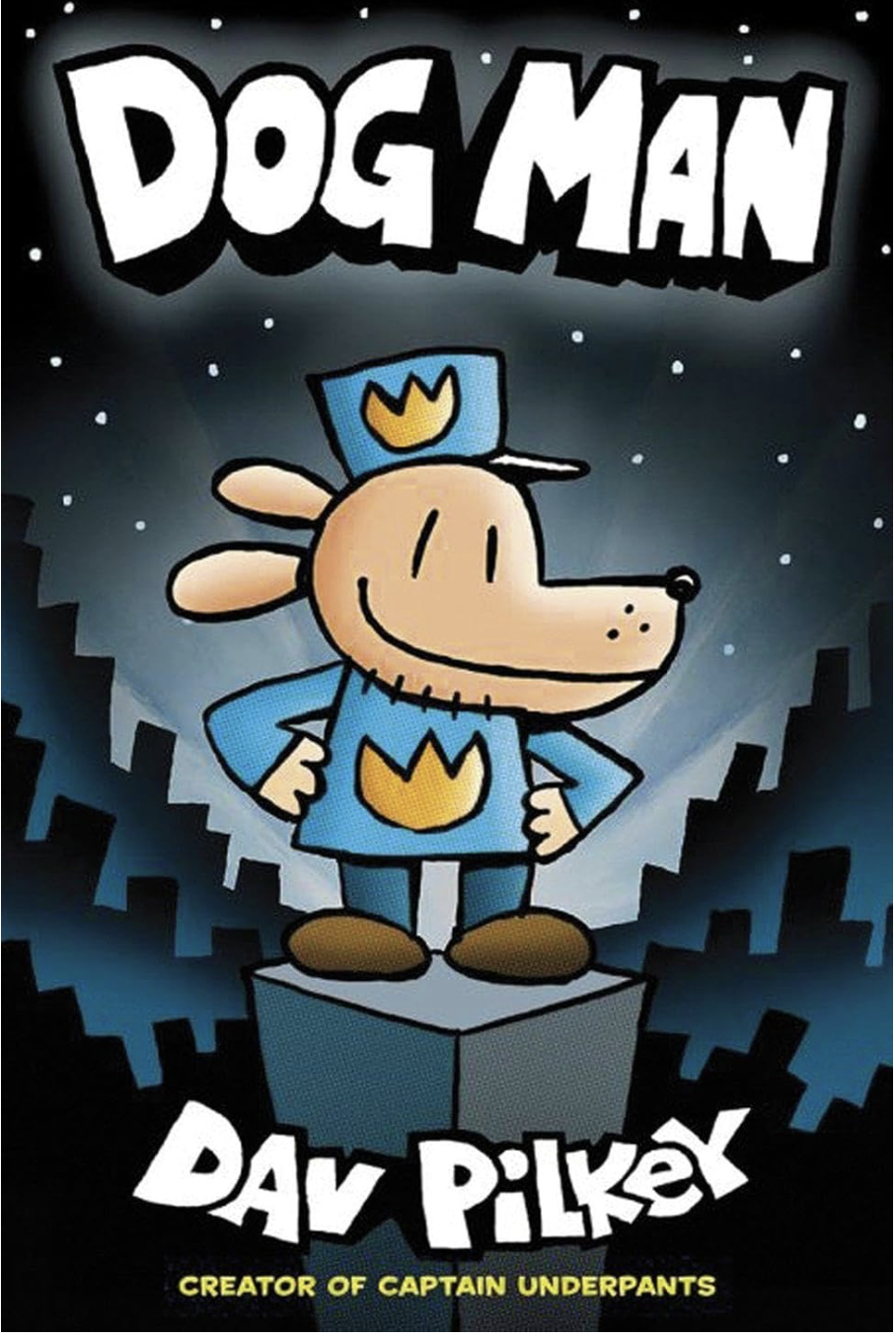
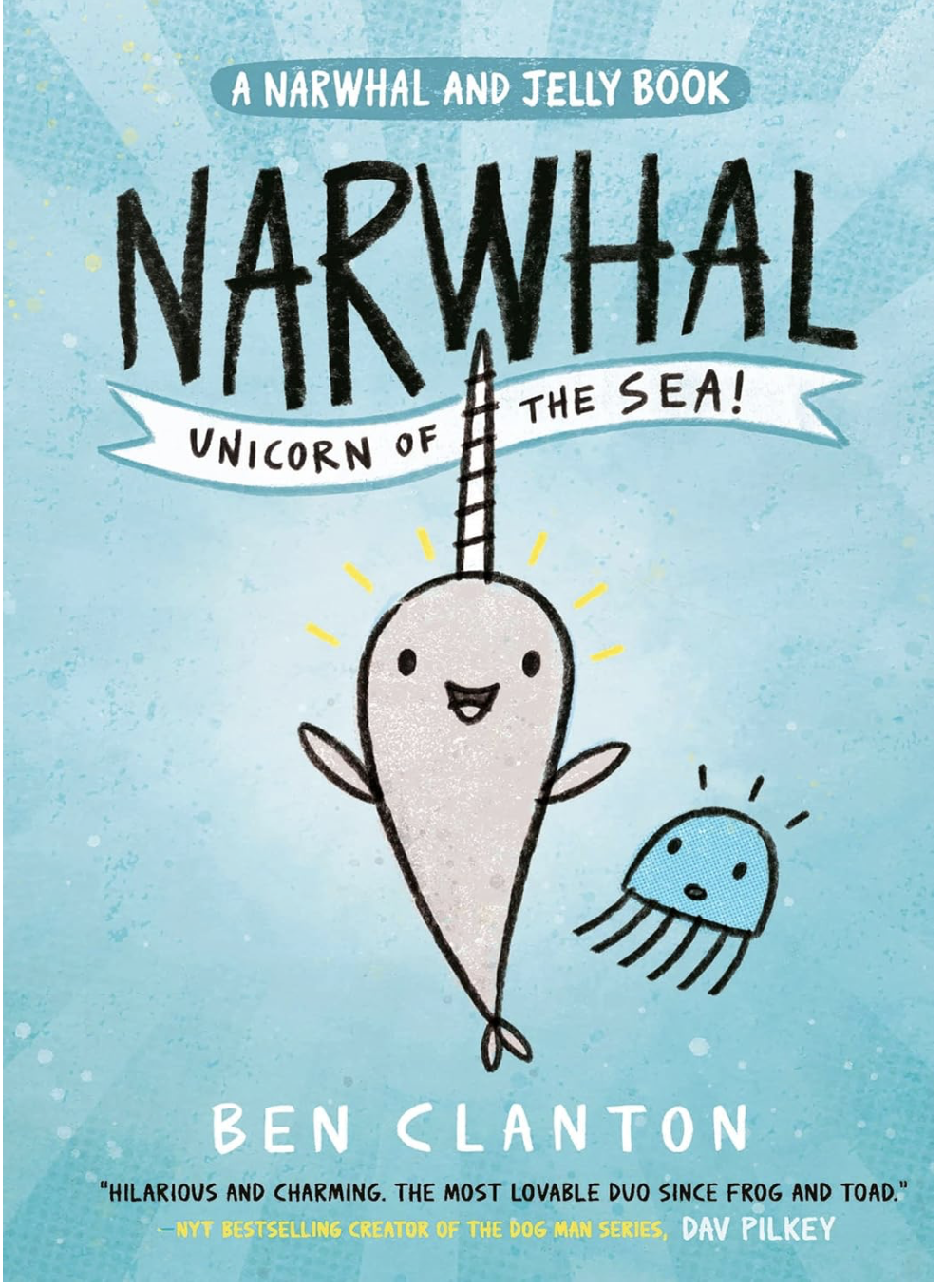
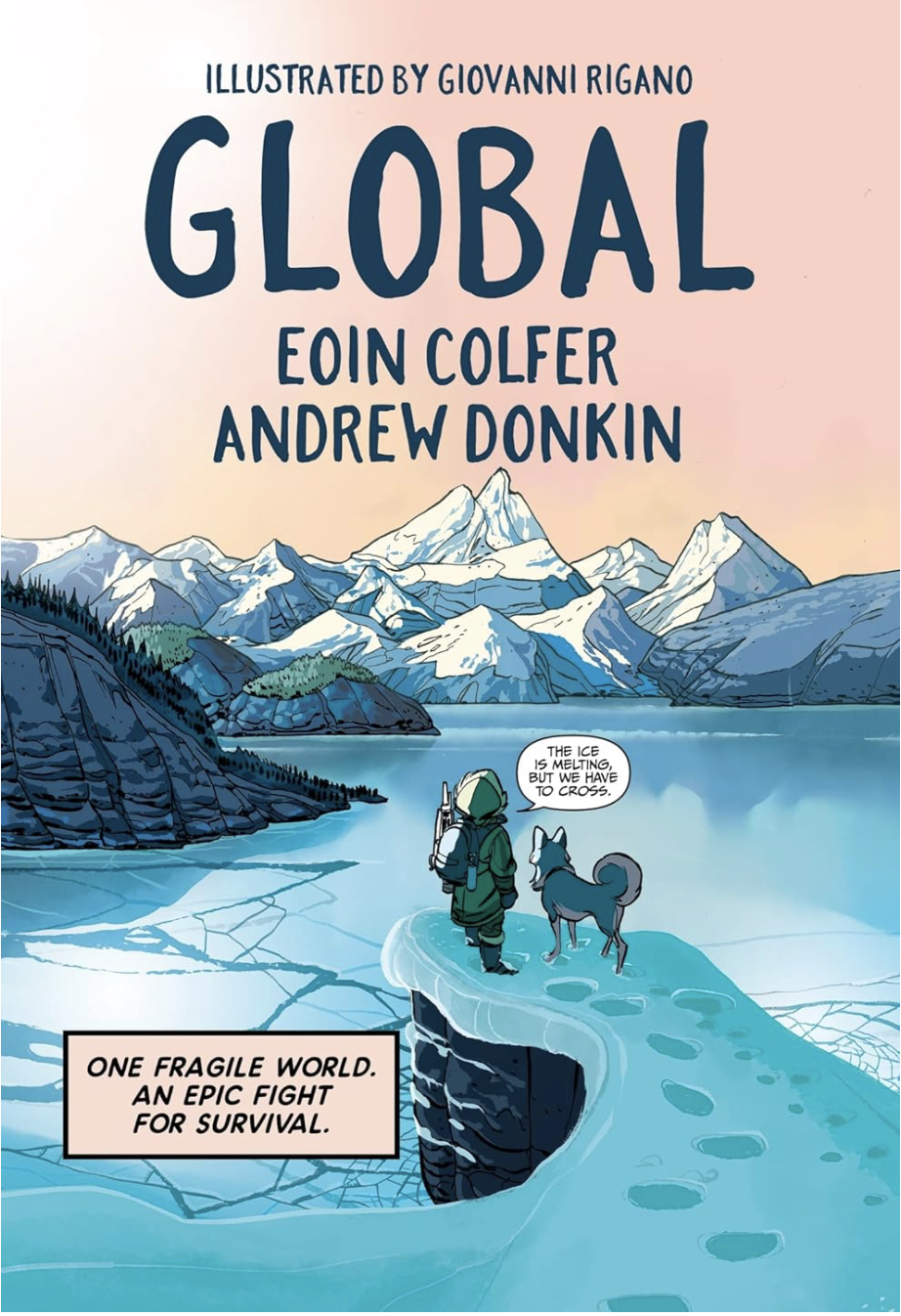
Looshkin by Jamie Smart (age 7-9), Dogman by David Pilkey (ages 6-12), Narwhal & Jelly series by Ben Clanton (ages 4-9), Global by Eoin Colfer and Giovanni Rigano (ages 9-11).
There you go, 4 tips from Michael Rosen himself on how to bring more creativity and enjoyment into your reading and writing - I hope you find this useful.
For more writing tips and ideas from Michael Rosen, have a read of this blog post.
🙋 If you'd like more help with encouraging and inspiring reading and writing, have a read of my free post The Reading and Writing Worry where I talk about how I've navigated this with my own kids.
✒️ You can also read Everyday Writing: How to Make it Happen which shares 5 very simple ways to bring purposeful and relevant writing into everyday home ed life.
Get in touch if you have any questions, or just want to say hello! You can email me at jo@thehomeedhelp.com