
Family gatherings are rarely difficult because we don’t care, they’re difficult because we care so much, and there’s a lot to juggle all at once.
I’m writing this just before Christmas, when gatherings tend to be bigger, louder and more emotionally charged. But the situations this guide covers aren’t unique to Christmas, they also come up at birthdays, celebrations, visits and any time where family dynamics and expectations come into play.
I wrote this guide to offer practical support for handling overstimulation as it happens, guidance for when sensitivity or neurodivergence add extra challenges, and ready-to-use scripts for those tricky conversations that can often come up.
Part 1: Handling Overstimulation During Family Gatherings
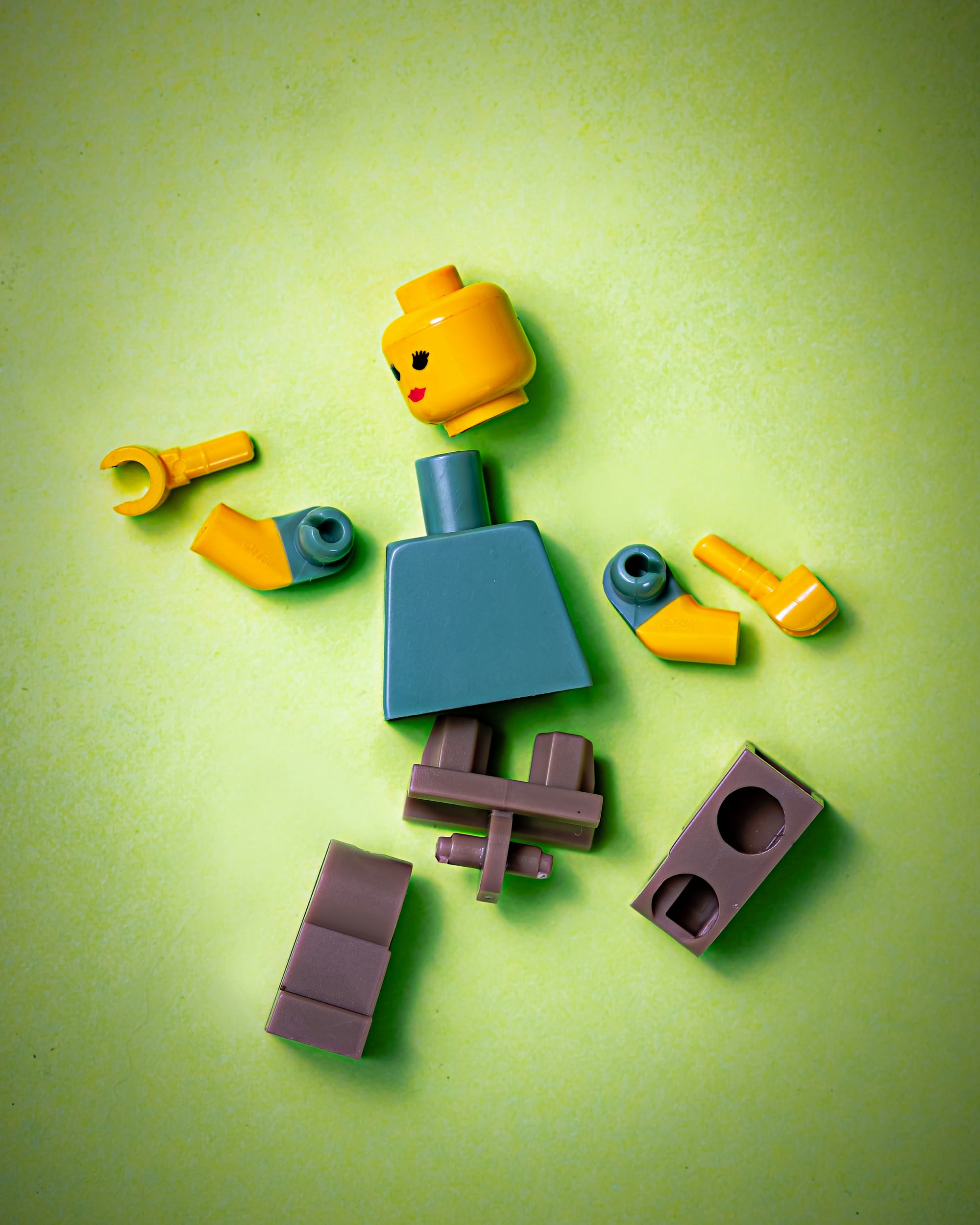
Even the calmest child - and calmest parent - can get out of balance during busy, socially demanding events and gatherings. The difference between a manageable day and a hard one often comes down to timing: noticing the early signs, knowing when to step in and acting before things escalate.
💚 When Your Child Is Unravelling: What to Do at Each Stage
You’ll recognise what these moments look like for your child but here's a quick recap of some of the more common signs and steps you can take in the moment to ward off anything bigger:
1. Early snappiness or mild dysregulation
Irritability, unusual rudeness, restlessness, seeming bored or unsettled.
What to do
This is where a small reset can make a big difference:
- Sometimes your calm presence alone is enough here. Move a little closer so you can keep an eye on things
- Offer a snack or drink for a brief pause and some energy
- Suggest a quick bit of fresh air or a quieter space for a little while
2. You’re starting to lose connection
They’re harder to reach, less responsive, zoning out or withdrawing.
What to do
This is your cue to act sooner rather than later.
- Use a pre-agreed signal you discussed beforehand (a sign, word or just you reminding them that they need to have a break). Deciding this together in advance makes it much easier to step in without escalation
- Move together to a quieter, calmer space
- Reduce demands and conversation
3. You can see a meltdown coming
Transitions or small conflicts trigger a big reaction.
What to do
The aim here isn’t to prevent the meltdown, but to make it as manageable as possible.
- Get to a quiet room if you can
- Alternatively, ask others to leave the room to give your child some space
- Focus on safety and containment, not reasoning
Having a meltdown is hard enough, but being seen having a meltdown is really tough (especially if the watching eyes are disapproving!) and it's pretty agonising for parents too. Once they’re calm enough, take time to reconnect for a while before joining others.
💚 When You’re Not at Home
Creating a reset space when you’re staying with others can make a big difference.
Having one predictable, quieter place to retreat to offers familiarity and relief when everything else feels busy or overwhelming - especially for more sensitive children.
You don’t need anything elaborate, just one or two familiar things can be enough:
🧸 A favourite comfort item
📚 A book or game you enjoy together
💻 A familiar screen or app that helps them regulate. These can really help some children regulate, especially when followed by a few minutes of one-to-one connection before heading back out.
When we’ve been staying with family or friends and things have felt particularly busy or full on, this has always been something that has allowed my kids some space. If they knew it was available they could take themselves off whenever they felt like they needed a bit of downtime.
💚 Taking Breaks Without Explaining Yourself
Some people aren’t used to taking breaks away from the group or opting out of activities, either because they don’t need to, or because they’ve never known it’s an option. They may not immediately understand why you’re stepping away.
Keep it simple and matter-of-fact. No guilt. No apologies. No long explanations. Taking a break for yourself or your kids during busy periods with lots going on is essential.
- "We’re just popping upstairs to have a rest, we'll see you later."
- "We’re going to pop out for some fresh air, won't be long."
- "We’ll sit this one out, we need a bit of a break."
- Or simply - "Back in a bit!"
If this feels hard to say, particularly when you’re used to explaining or apologising, practising it beforehand can help.
💚 When You Need to Leave Early
Sometimes the kindest option is to cut your losses and get home to something familiar and comfortable. But it's very easy to feel guilty about leaving early even when you know it's the best option for your family. In those moments, keeping goodbyes short and sweet works best:
- "We’re going to head off now - it’s been a big day. Thanks so much for having us."
- "I think it's time we made a move. Thank you so much, but it's time for us to head home now."
You don’t need to apologise or go into long justifications for your decision.
Not everyone will understand, that's perfectly fine. Leaving calmly and early is almost always kinder than staying too long and pushing past everyone’s limits.
Part 2: When Sensitivity or Neurodivergence Is Part of the Picture

This section is for those of you who know that busy gatherings take a bit more planning, whether because of sensory sensitivity, neurodivergence or simply how your child experiences the world.
You might find yourself doing quiet advocacy in the background while trying to appear outwardly relaxed.
It isn't going to be possible to recreate home (if you're away) or your normal home environment (if you're hosting). Being prepared for some dysregulation is needed but here are a few things that can help:
💚 What to Prep Relatives With (Without Oversharing)
There’s no need for a TED talk - a brief heads-up about the most important things is usually enough.
"Just so you know, he might take himself off for quiet time now and then - it helps him manage the day."
Useful things to mention briefly:
- food that will definitely cause issues
- any screens/tools that help them regulate
- the fact that breaks or quiet time are normal for them
Things not to mention:
- diagnoses
- emotional details
- anything your child wouldn’t want shared
- explanations of why it happens
You’re protecting their dignity as much as their comfort.
💚 What Not to Force
Family gatherings are not training grounds for social skills! It can be excruciating for kids and parents when certain things are 'expected.'
Don’t push:
- hugs
- eye contact
- joining in
- matching enthusiasm levels
Most adults will follow your lead if you’re calm and matter-of-fact:
"Ahh, she actually prefers a high five to a hug, don't you?"
"He'll join in when he's ready if he wants to, he's happy doing his own thing right now."
If you're concerned about any social skills, they can be discussed and practised in a much more discreet and safe environment.
💚 Understanding Rude vs Overwhelmed
Some behaviours can look rude to others but are actually signs of overload.
Your role isn’t to convince sceptical relatives or to berate your kids in front of them, it’s to support them and let them know you see and understand what’s going on. That kind of advocacy builds trust and connection even though it can be very hard to do in the moment.
This doesn’t mean you never apologise on their behalf if someone has been offended and your child isn’t able to apologise for themselves just then. It simply means there’s no need to over-explain.
💚 When to Step In vs When to Wait

Giving your child a moment to advocate for themselves builds confidence.
But if you see them freezing or struggling, that's a good time to step in.
Quiet, calm:
"Looks like he’s had enough now - thanks."
No anger. No big explanations.
I like to think of this as protective old Labrador energy, rather than overprotective Rottweiler or over-apologetic Spaniel.
In Labrador mode, you’re calm, gentle and quietly assertive. In Rottweiler mode, you’re snapping the moment anyone comes near your child and in Spaniel mode, you’re over-apologising and people-pleasing all over the place (no offence to Rottweilers or Spaniels 😉).
Think of those people you know who state their demands without fanfare, without a reason, just "this is what I need", "this is what we do" - these people are superheroes in my eyes. It earns respect far more than over-explaining ever does.
💚 Protecting Your Nervous System
This matters more than we admit. To embrace Labrador mode, we absolutely need to have a calm nervous system ourselves. A parent's nervous energy can make kids feel even more dysregulated.
So look after yourself as a priority, not as a second thought.
That way you can be a calmer support for your kids - and maybe actually enjoy yourself too!
Small things help:
- micro-breaks on your own to breathe, read, go for a walk
- going to bed early is a great one that you'll never regret (but one of the hardest, especially at Christmas!)
- taking time out to call or leave voice notes to a trusted friend who 'gets it'
- low expectations for yourself. If you know this time is likely to feel tough, don’t volunteer to make dessert, bring games, plan activities, decorate and do all the cleaning up!
If you’re at home, keep things simple. If you’re away, be helpful where you can - but know your own limits. People would much rather you be calm and happy than doing everything in a stressed, slightly resentful way.
Part 3: Family Gathering Script Library for the Tough Moments

Be prepared for awkward moments and tricky conversations. Subjects like home education, neurodivergence and parenting choices are rarely simple - they’re personal, nuanced and hard to sum up in a neat sentence.
That section is here to help you navigate this. You don’t need long explanations - what helps most are a few clean, confident lines you can use to keep things calm and smooth, without sounding rude or talking too much.
As I mentioned before, it's always good practice to let your children advocate for themselves, with you there to support them. But when they’re struggling, these scripts can help you step in.
💚 Food Pressure
- "He’s had enough, thank you."
- "Ahh thanks, but she knows what her body needs, don't you?"
- "She’ll let you know if she needs more."
💚 Hug / Affection Pressure
- "She’s not a hugger - a wave or high-five is perfect for her."
- Say goodbye on their behalf if they find it tricky - some younger or more sensitive kids really do struggle with this at the end of the day when they're maxed out.
💚 Criticism of Your Child
Critical comments from family are never easy. In busy gatherings, this isn’t the moment for big conversations or explanations. The priority is protecting your child and your own energy, not winning an argument.
Some ways to head off these conversations:
- "He’s doing his best today."
- "She’s just finding it a bit much, it can be a bit full on at Christmas can't it?"
- "They're doing just fine as they are right now."
- "We can talk about it another time."
- "We're handling it, thanks."
💚 Home Education Questions
You’ll be able to tell the difference between those who are genuinely curious and those who are questioning your life choices.
Short, reassuring responses tend to work best, for example:
- "They get plenty of time with other children, there are so many home ed activities available."
- "It's working really well for us and they're learning about lots of interesting things."
- "We keep an eye on their progress, it just looks different from school."
- "We’re really happy with how things are going!"
Then pivot the conversation back their way.
For the genuinely curious, the conversations go more easily but I still tend to keep things short (mainly because I could talk about children and learning all day and don't want to bore people!) 🙊
💚 When Boundaries Are Undermined
Even when people mean well, it’s easy for boundaries to get blurred. I've found a short, calm response usually keeps things on track without turning it into a whole conversation.
- "We’re keeping it simple today, thanks for understanding, it's nice to take things slow at Christmas."
- "I’ll just jump in here, we do things a bit differently at home so we might need a little chat first."
- "Thanks for your advice/help but I'll take it from here, you go and relax."
💚 Protecting Your Own Energy
Plan your breaks before the day even starts.
Useful lines:
- “I’m just taking ten minutes, I'll be back in a bit.”
- “I’ll swap with you in a minute, I just need a moment.”
- I could do with some fresh air, if you're happy to stay and watch the kids, I'm just gonna pop out for a breather - do you need anything?'
Your calm will come from these micro-pauses - protect them!
The more practice you have at being calm, assertive and unapologetic, the easier it will become. And it is great modelling for your kids.
When things start to unravel, it helps to remember:
- Trust those subtle shifts you start to notice.
- Acting earlier makes everything easier - for you and your child.
- You don’t need to wait for a meltdown to step in.
- A quiet break, snack or change of space is enough.
- You don’t owe explanations (be more Labrador! 🦮)
- Taking a break helps you both.
You’re not overreacting. You’re paying attention.
I hope this guide helps you approach family gatherings feeling steadier, more confident and more supported. Good luck! 🫶