

I’ve talked before about how powerful learning maths through play can be - and it’s how most of our maths learning happens at home. Over time, I’ve found a handful of board games that have made a huge difference to my children’s maths confidence.
These five games have boosted their mental maths skills, built up number sense and helped consolidate what they’ve already learned in a really fun, low-pressure way.
When I was teaching, I saw how important it is to keep coming back to concepts for them to truly stick. Spending one week on division or money and then not touching it again for months often meant things were forgotten and you were starting from scratch next time you revisited the topic.
But by weaving maths into play, kids revisit those ideas naturally, over and over again. The more they play, the more those concepts settle in, and before you know it, they’re thinking more strategically and solving problems more efficiently, all while having fun.
Here are 5 really great games from around age 6+ (although with support some children could play these earlier):
Shut the Box (5 - adult)
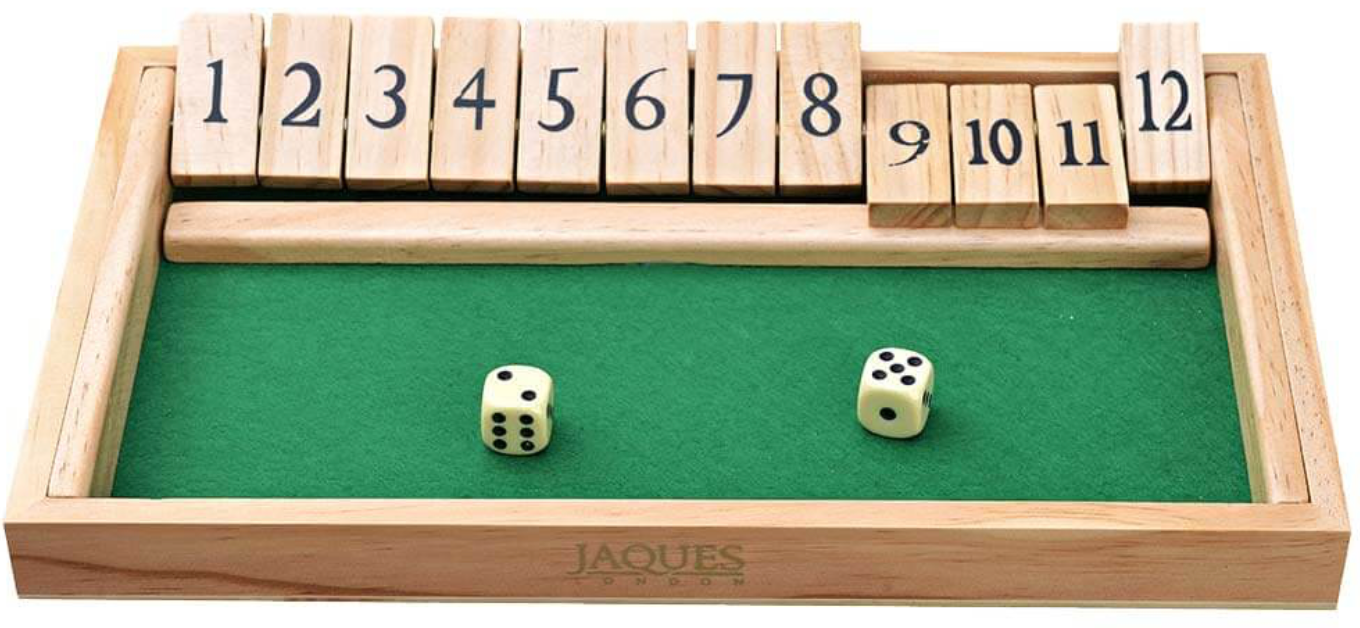
This one is a brilliant quick game to build up number skills and confidence. It can be played alone or as a multiplayer game.
It's particularly useful for number bonds, quick mental arithmetic and strategic thinking.
The goal is to roll the dice and 'shut' (flip down) the numbered tiles that match your total, either as a single number or by adding together a combination of tiles that make the total. You keep going until you can’t match any more numbers.
Prime Climb
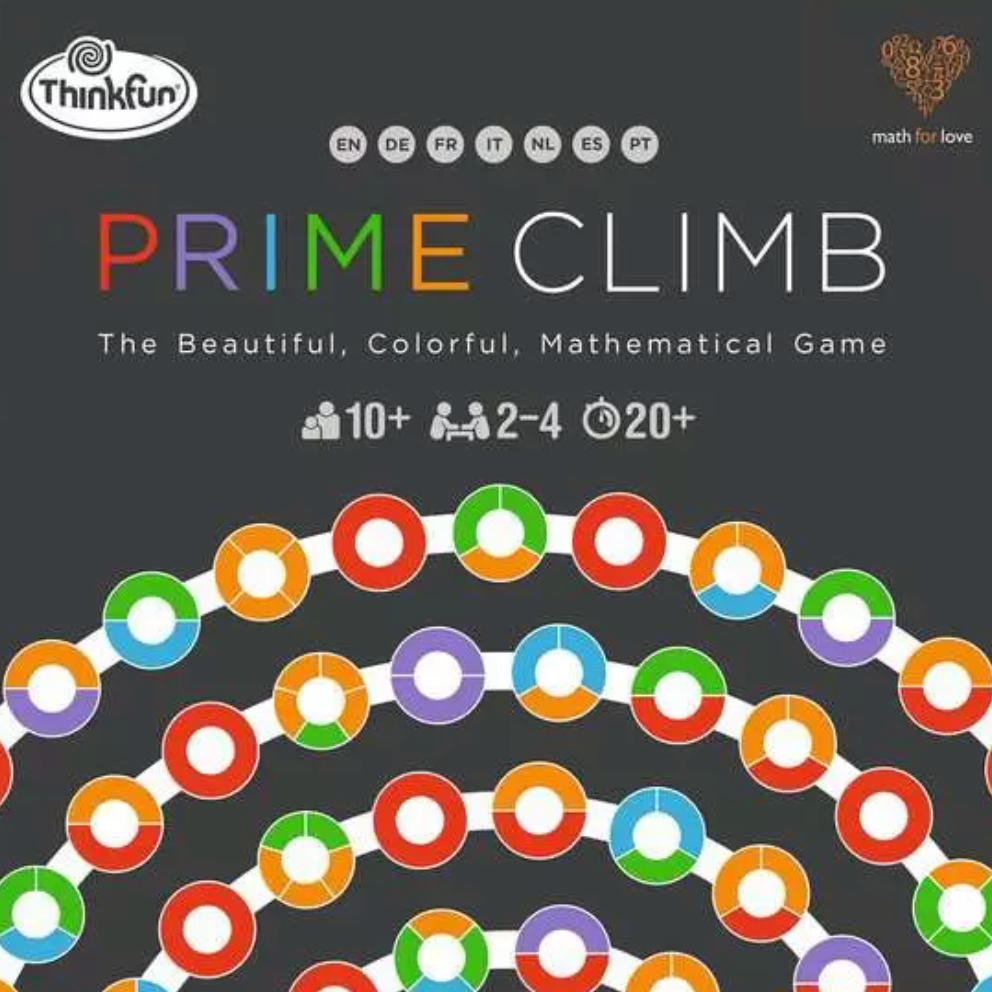
It says 10+ but it could definitely be played at a younger age with some support or if your child understands multiplication and addition within 100.
This is a fun, fast-paced game involving some solid mental arithmetic skills. With two dice each, you need to be first to get both of your counters from 0 to 101 using all 4 operations.
It's great for addition, subtraction, multiplication and division. It also helps with understanding prime numbers & factors too. Strategic thinking is needed, deciding moves based on potential, outcomes and risks and it's all round great for mental arithmetic.
Monopoly
8+ according to the manufacturer, but again many kids can definitely play this at 6 or 7.
(I'd skip Junior Monopoly - it’s a bit too simple and won’t hold their interest for long).
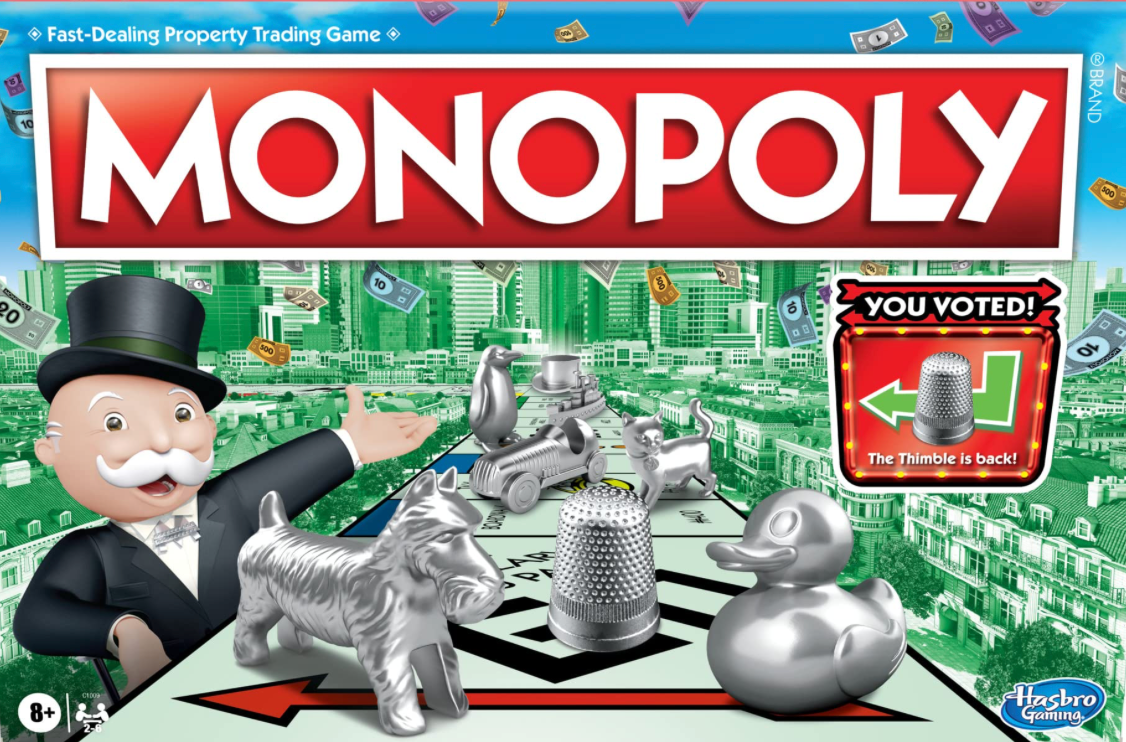
Love it or hate it?
Whichever side of the Monopoly fence you and your kids are on, it’s the game where I’ve seen the most maths learning unfold slowly over months of play. The skills can get complex, but if you step in with help when needed and let them work out the rest with no pressure (and a lot of patience!), you’ll see steady progress without much effort.
Things my kids have learned from this game:
- Adding and subtracting money - from simple sums when buying properties to trickier subtraction when making change from larger amounts.
- Multiplication if you own utilities.
- Percentages when buying back mortgaged properties.
- Comparing values of money.
- Using symmetry and multiples of 10 to move more quickly around the board.
- Risk versus reward strategic thinking when deciding whether to buy properties or do deals.
- How monopolies create inequality of wealth. If you think Monopoly encourages a capitalist mindset, then have a read of this - it might change your mind.
We used to play this 1:1 where possible as it can get very competitive (at least it does in my house - and that's not just the kids 😜). When my kids were younger, we'd play it in short bursts and slide the board under the sofa to carry on another time.
Now kids are that bit older, a full Monopoly game is finally manageable… and the board only gets flipped in rage once in a while!
Yahtzee
Manufacturer says 8+, again, with help some kids could play this from age 6.
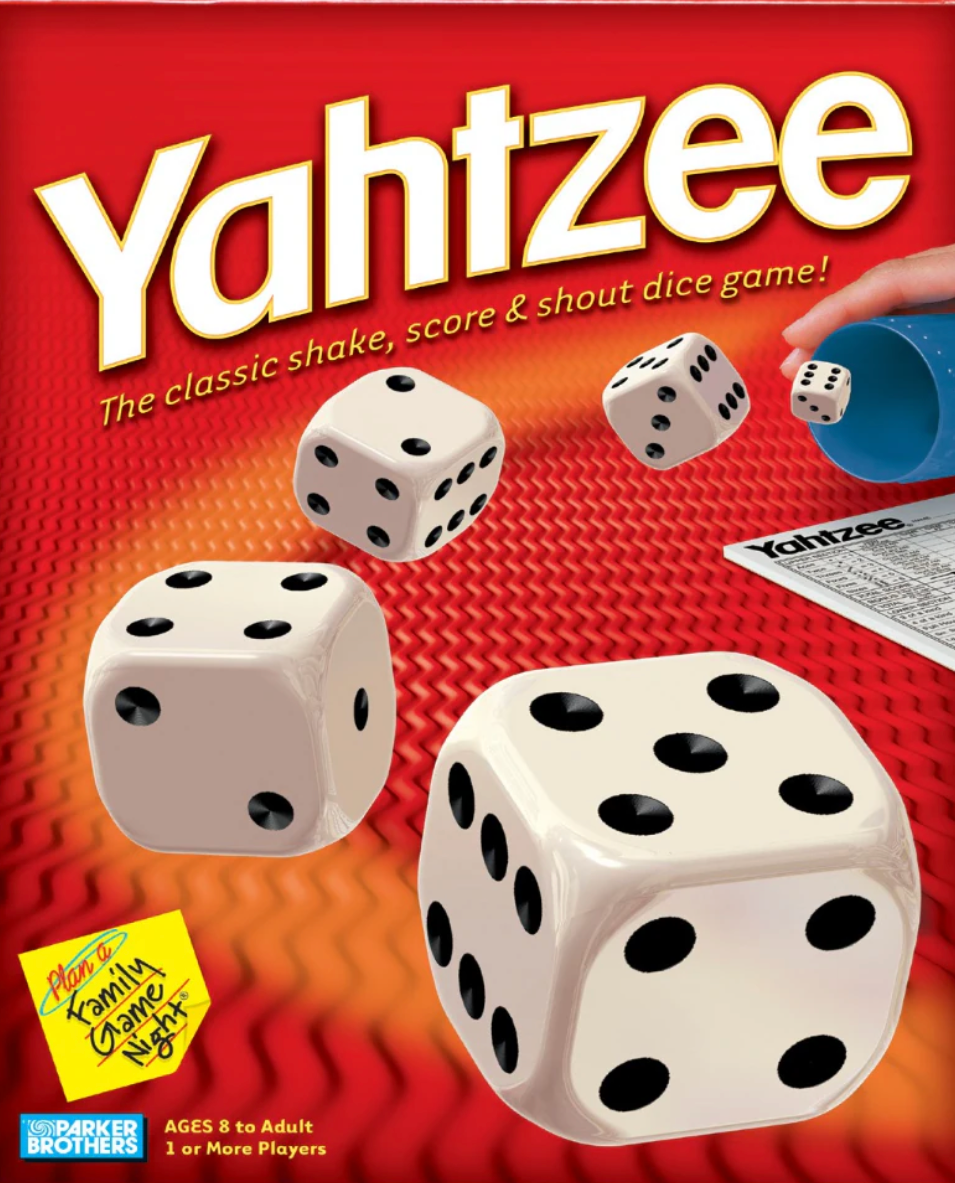
The goal in Yahtzee is to score the highest total points over 13 rounds by rolling five dice to make specific combinations (like three-of-a-kind, full house, or a Yahtzee - five of a kind). Understanding the score card can be the trickiest part at first but it's another brilliant one filled with opportunities for mental arithmetic and strategy.
It's fast-paced game and a lot of fun.
Patchwork
Age recommendation: 8+ but I think this is great for early maths if you take it slow so I think it could be played from age 5 or 6 onwards.
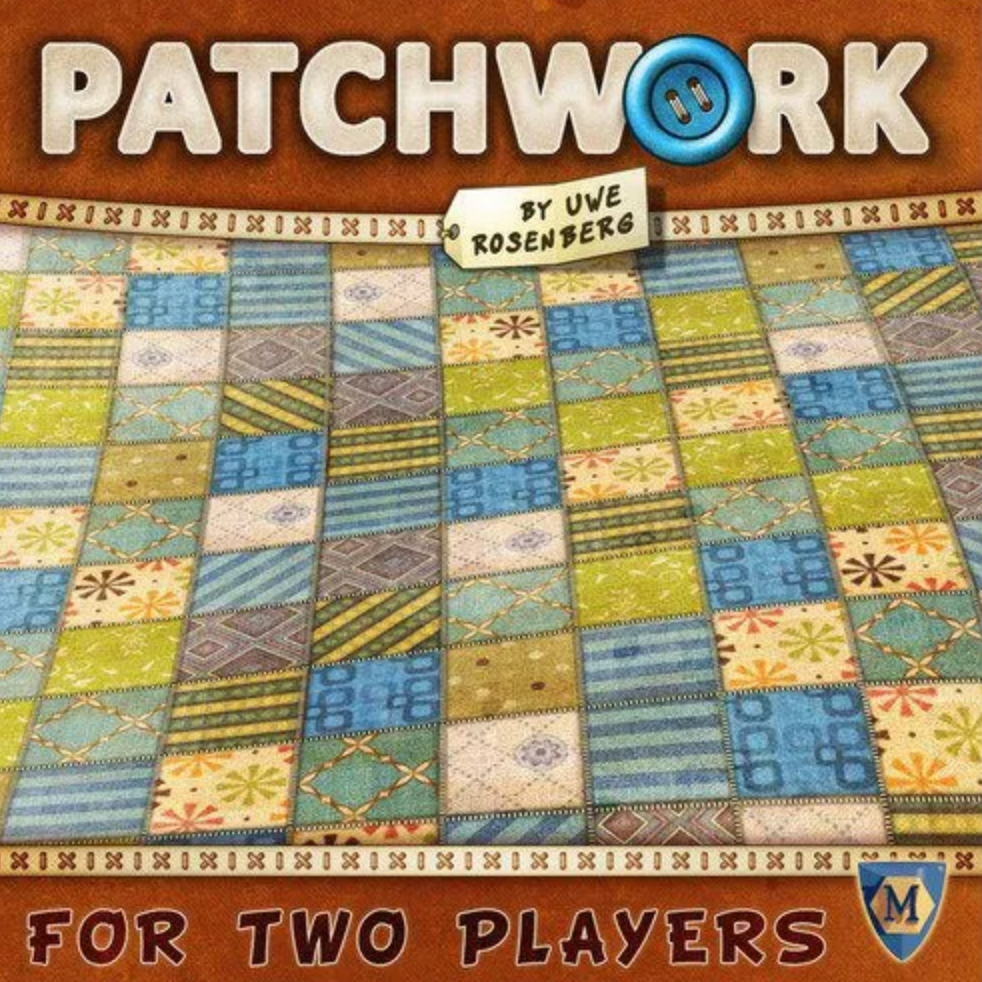
This is a two player game where you have to buy 'patches' to fill in your patchwork square. The main game is straightforward, but scoring can get tricky as it can stray into negative numbers.
This is not a fast paced game - it's a slow one with no bells and whistles - BUT my kids love it and it includes lots of mental addition and subtraction, spatial reasoning and geometry, area calculation and strategy.
🎲 Let me know if you have any other maths board games you'd recommend. I love trying out news ones and can add them to the site. Send me a message at jo@thehomeedhelp.com