
Whatever your kids are curious about, sometimes a big cover-everything book can come in really useful. The internet is great for exploring, but for me, you still can't beat a carefully researched, thorough and well presented reference book.
Below are the resources - mostly books - that come out time and time again in our house. Sometimes they come out mid-conversation (I’ve definitely inherited my dad’s slightly annoying habit of answering questions with a book), are casually browsed throughout the day or are just left within reach for spontaneous learning. They’re very well-loved - two don't even have back covers - and one is held together with Gorilla tape!
Although these type of books can be expensive, they're very easy to find secondhand on websites such as World of Books or Abe Books unless they're brand new, and even then many libraries can source them for you.
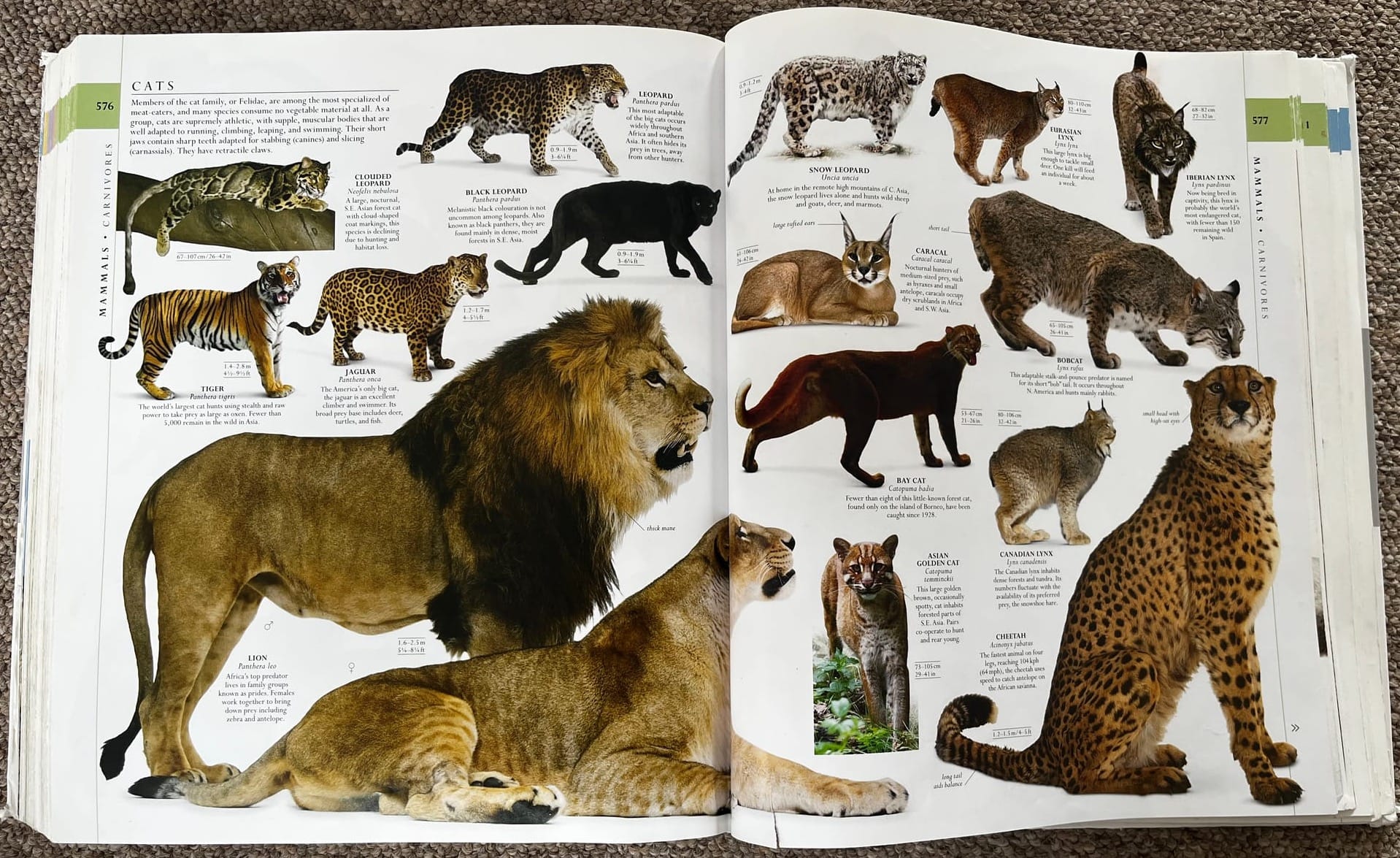
The DK Natural History Book
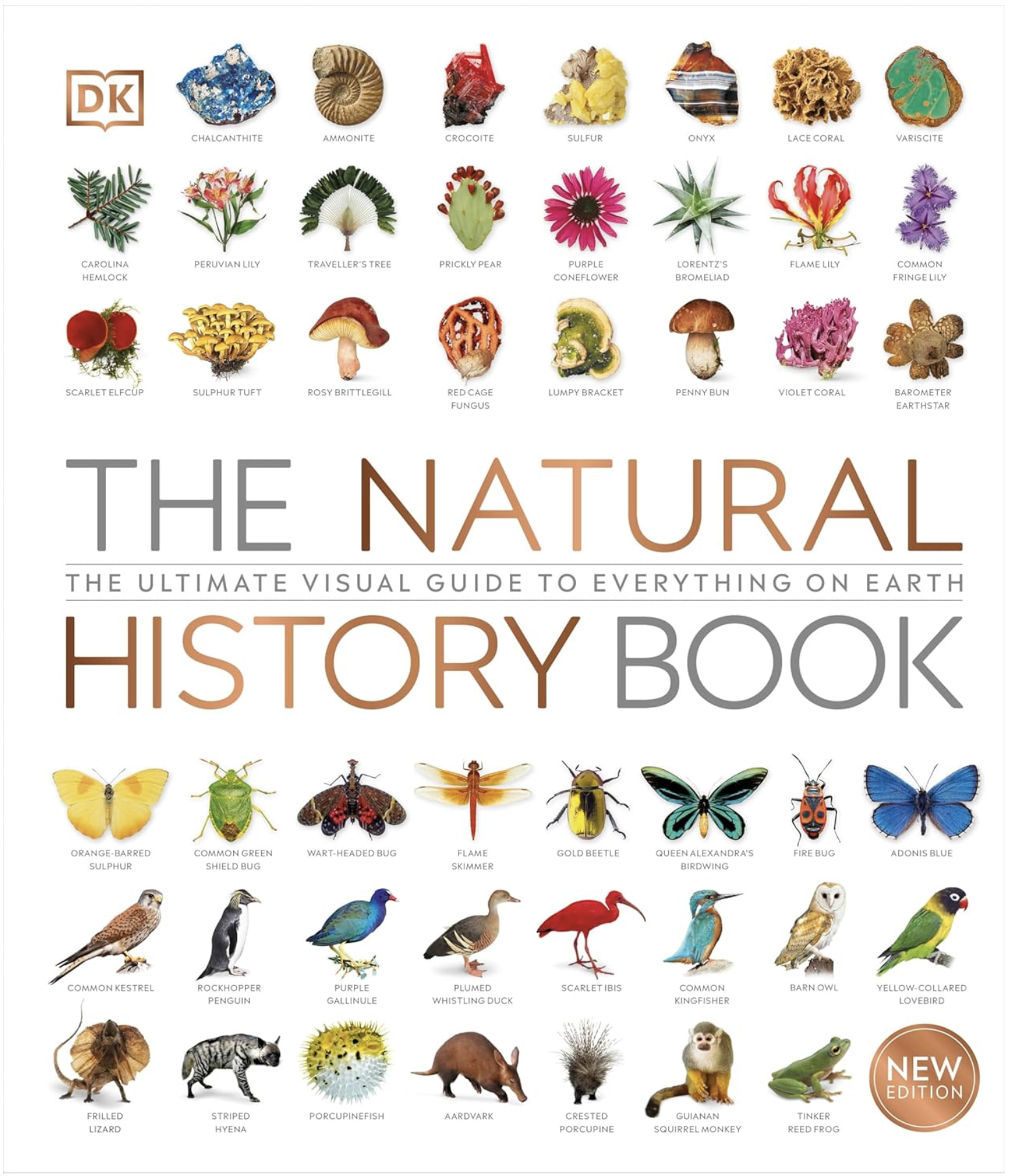
This book was recommended to me years ago by home educator and writer Eloise Rickman as one of her most used resources. And it hasn't disappointed. It contains more than 5000 species of plant, animal, fungi and microorganisms as well as rocks and minerals. It doesn't have a huge amount of detail on each animal - name, habitat, location, size and an interesting fact or two - but it's a great starting point. Often we just use it as a reference tool anytime we hear or read about a plant or animal we don't know - it's likely to be in there. My two have spent hours just looking through all of the weird and wonderful images inside.
Britannica: All New Children's Encyclopedia 2025

World encyclopedias are a great resource but finding one that's interesting and engaging can be tricky. Also, they date really quickly and have the huge task of trying to condense all of the planet's history and culture into one single book, so obviously a lot is left out! This is why I find them a useful jumping off point for deeper research rather than letting my kids think this is the final authority on all historical, scientific and cultural topics.
This one is really nicely laid out with some engaging infographics and a good balance of global cultures rather than being overly Eurocentric. Ours (the 2020 version) no longer has a spine or back cover so it definitely gets a lot of use!
Trees, Leaves, Flowers & Seeds
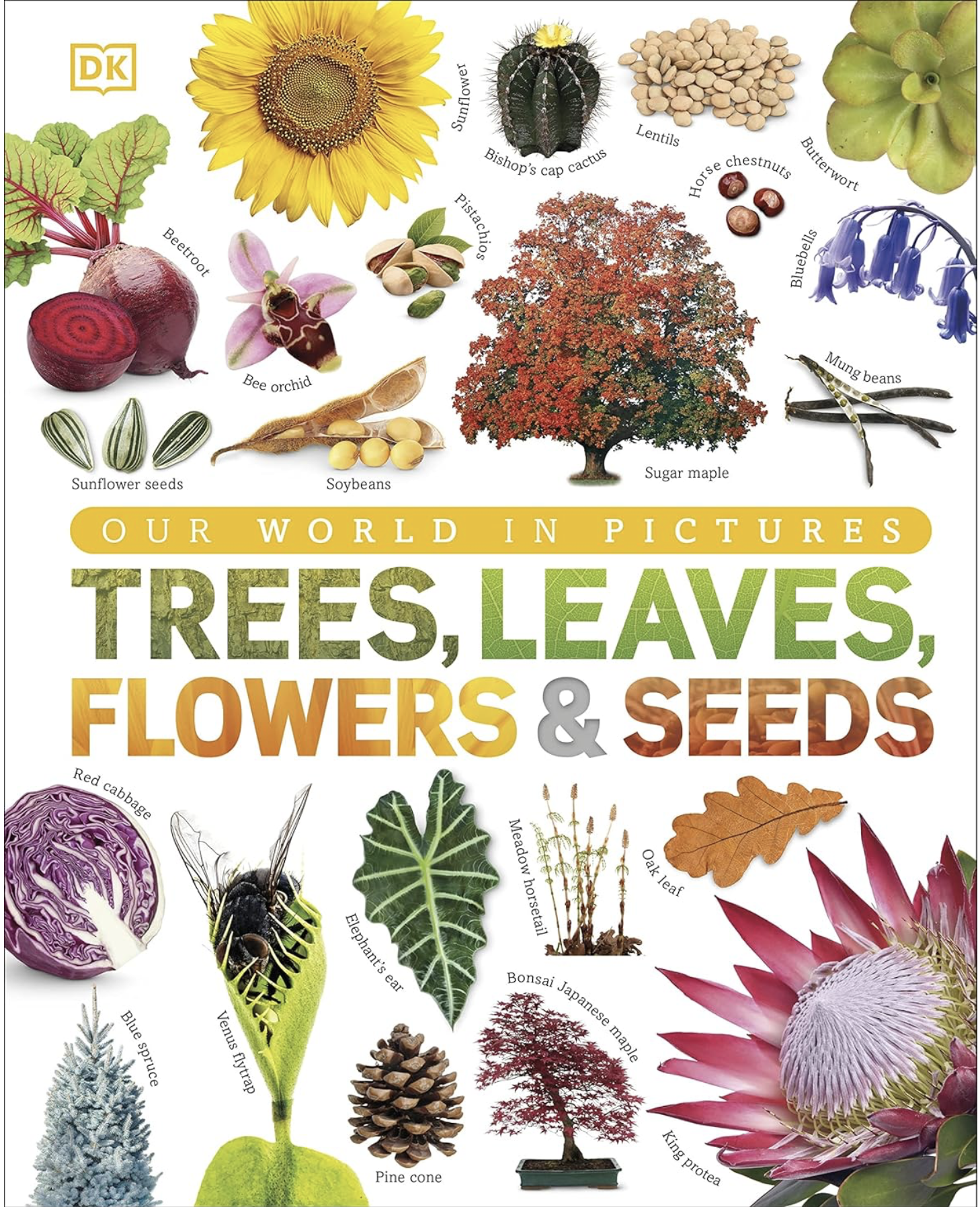
Another one without a back cover, this book became especially well loved during my son's carnivorous plant obsession in lockdown. But even now, it's still browsed regularly. It has beautiful photos, weird and wonderful facts and it explains tricky concepts clearly, even for younger kids - things like plant reproduction, classification and adaptation. Each page feels like a mini science lesson - it's one of those books (like most of the books on this page) that you can just leave open somewhere and your kids will be drawn to it.
The Usborne Encyclopedia of World History

When we're exploring anything to do with history, this book always comes out.
It's engaging enough to read through chronologically, unlike many reference books, which can be a bit dry. It begins with the formation of Earth and goes right up to the modern day and helps show how different eras and events are connected. It's perfect for dipping into, brief enough that it isn't boring and also has a good balance of realistic images and text as well as handy timelines on each page. It's ideal as a jumping off point or a quick way to check details while we’re learning about a topic.
A globe or map
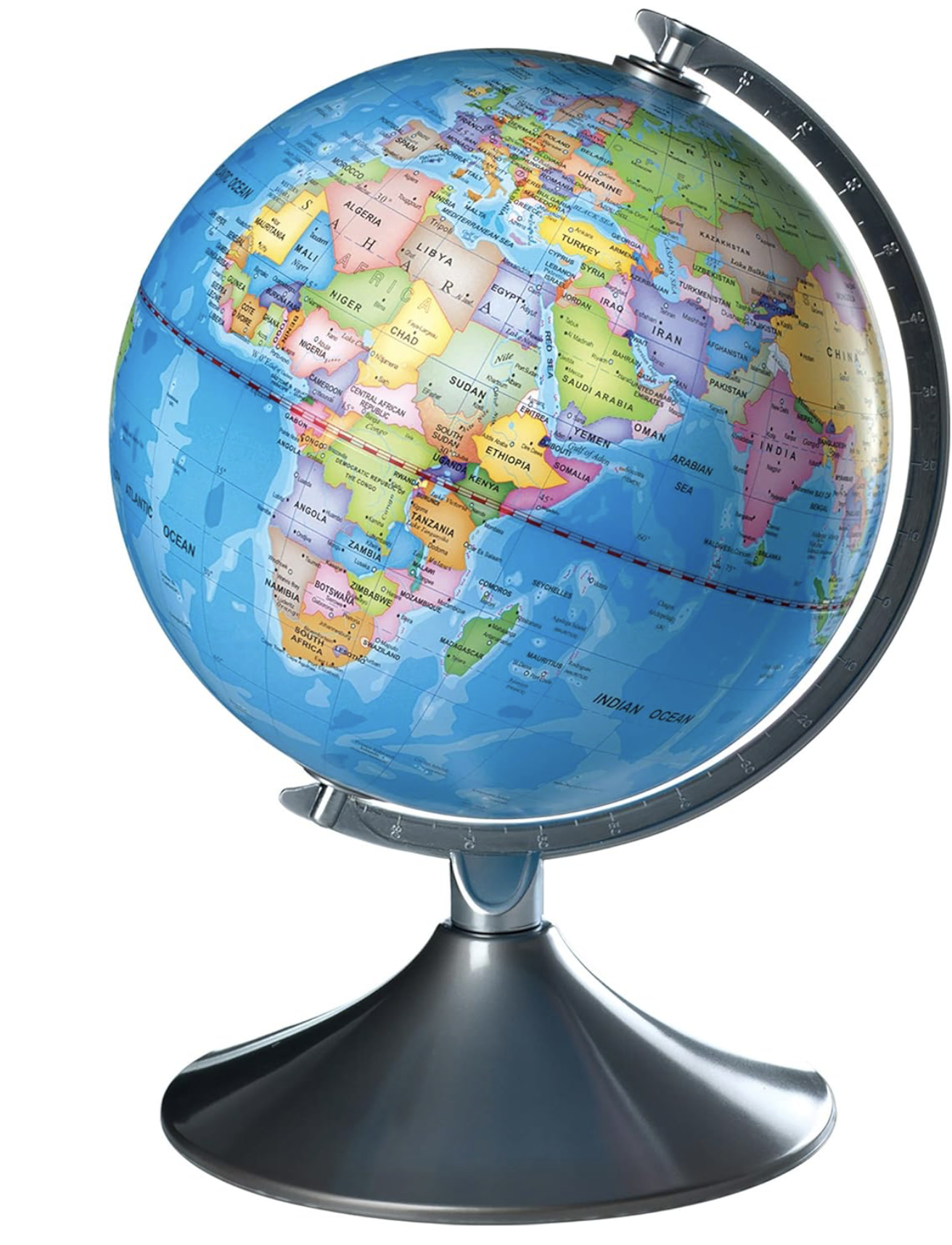
Not a book but it's definitely used as much as the others. For me, a globe beats a flat map every time. It shows the earth as it really is - even the most accurate maps can distort things, and it’s much easier to understand concepts like time zones and ocean sizes on a globe. They’re also much hardier, we’ve had two wall maps fall down or get torn.
It's used so often that it’s almost a permanent fixture on our kitchen table. We use it for history, when reading stories set in different countries or talking about current affairs or sporting events like F1 or The World Cup. We have this one. I initially thought the light-up constellation features would be a hit, but it's hardly been used. If I was buying again I'd probably just go for this basic one.
You don't need a ton of resources to home educate. I love books but the library really is your best friend. You can request books from most libraries so you access new titles for free and it also helps keep the clutter levels down.
🗺️ Which are the most loved reference resources in your home? I'd love to have some of your recommendations added in the comments section at the bottom of the page. (You need to be signed in to view and make comments).