

Walk past any magazine shelf in a supermarket and you’re likely to feel a bit overwhelmed by the sheer number of magazines marketed at children. And annoyingly, the really decent ones - the ones that actually feel worth the £5-£7 price tag - are rarely available in shops.
I’ve had many negotiations with my kids in the magazine aisle over the years, especially when they were younger. Them being drawn to the small plastic toys on the front, and me rummaging around, trying to find anything that looked like it might be good quality and not discarded after a quick flick through.
Then I discovered magazine subscriptions for kids, and here’s why they’ve worked so well for us:
- They contribute in a meaningful way to home education. They open up new avenues for learning and offer plenty of activities, puzzles and prompts. For some topics - particularly science - they’ve basically formed our curriculum!
- They’re easy birthday and Christmas gifts for relatives to buy, which helps keep costs down.
- I don’t feel guilty saying no to magazines in shops anymore. If my kids really want one, they use their own money, knowing that I’m already paying for their subscriptions. Interestingly, this has meant they hardly ever buy them - I think they’re old enough now to have worked out that the value for money of most supermarket magazines just isn’t great.
- As a family, we’ve learned so much through them, and we keep back issues to return to at different ages like a growing reference resource.
Here are six recommendations that we've really enjoyed over the years:
Whizz Pop Bang (ages 6-12)
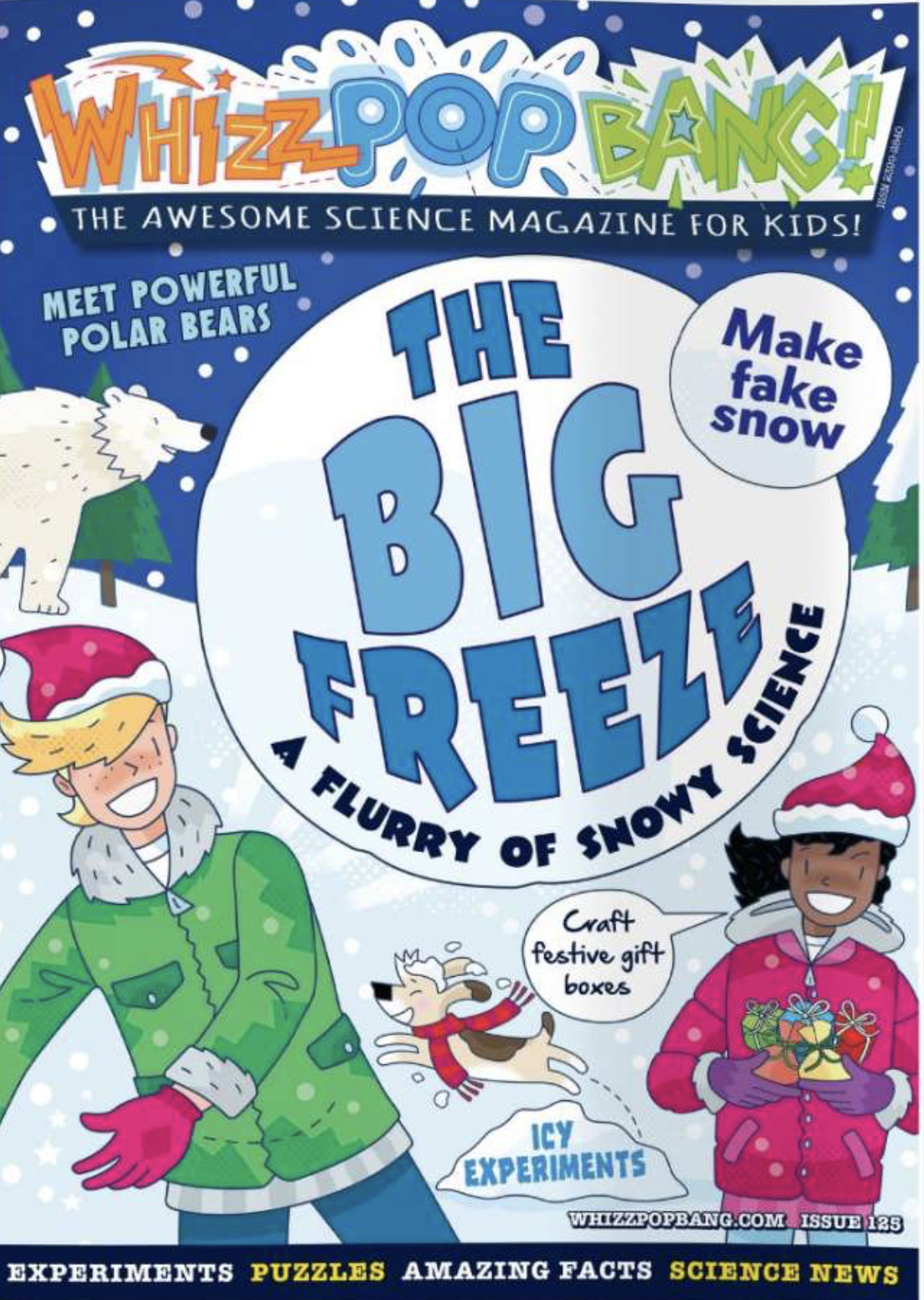
This magazine has formed a significant part of our science learning over the last four years. It’s interactive, very hands-on and encourages children to do science rather than just read about it - with experiments, competitions, questions to send in and even badges to earn. It has a big focus on the environment and we've picked up lots of eco tips from it over the years (including turning old socks into hair ties - a great tip!).
When you subscribe, you receive a kit list via email each month in advance so you can prepare for the experiments, although most of the resources are things you'll have at home anyway. You can also buy back copies based on your child’s interests.
Subscribe here for £5.99 per month or £29.99 for 6 months: https://www.whizzpopbang.com/subscribe/
Aquila (8-14)
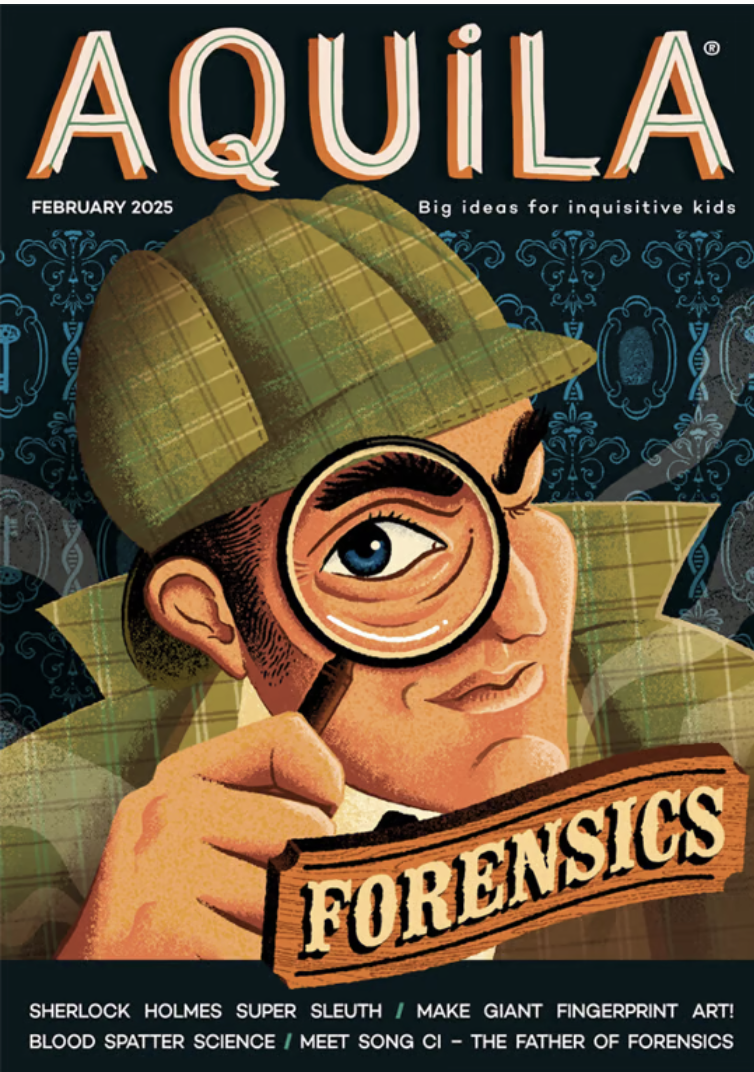
I’m really drawn to Aquila’s philosophy around learning, which mirrors a lot of how I feel about education. As they put it:
"AQUILA is not about hot-housing bright children to pass exams: nor do we want children to concentrate exclusively on their favourite subjects. Instead they can gather information from many different sources and become life-long multi-dimensional learners."
It covers a broad range of subjects, but it also makes interesting links between them. Its puzzles are particularly excellent (and enjoyable for adults too). The design and artwork make it feel like a slightly more special magazine, and you can buy back issues as well for particular interests.
It's one of the more expensive subscriptions at £34.99 for 4 months or £69.99 for 12 months, but it also feels worth it for the content and quality. It's definitely a good one for a gift. https://shop.aquila.co.uk/shop/product/aquila
What on Earth (7-14)
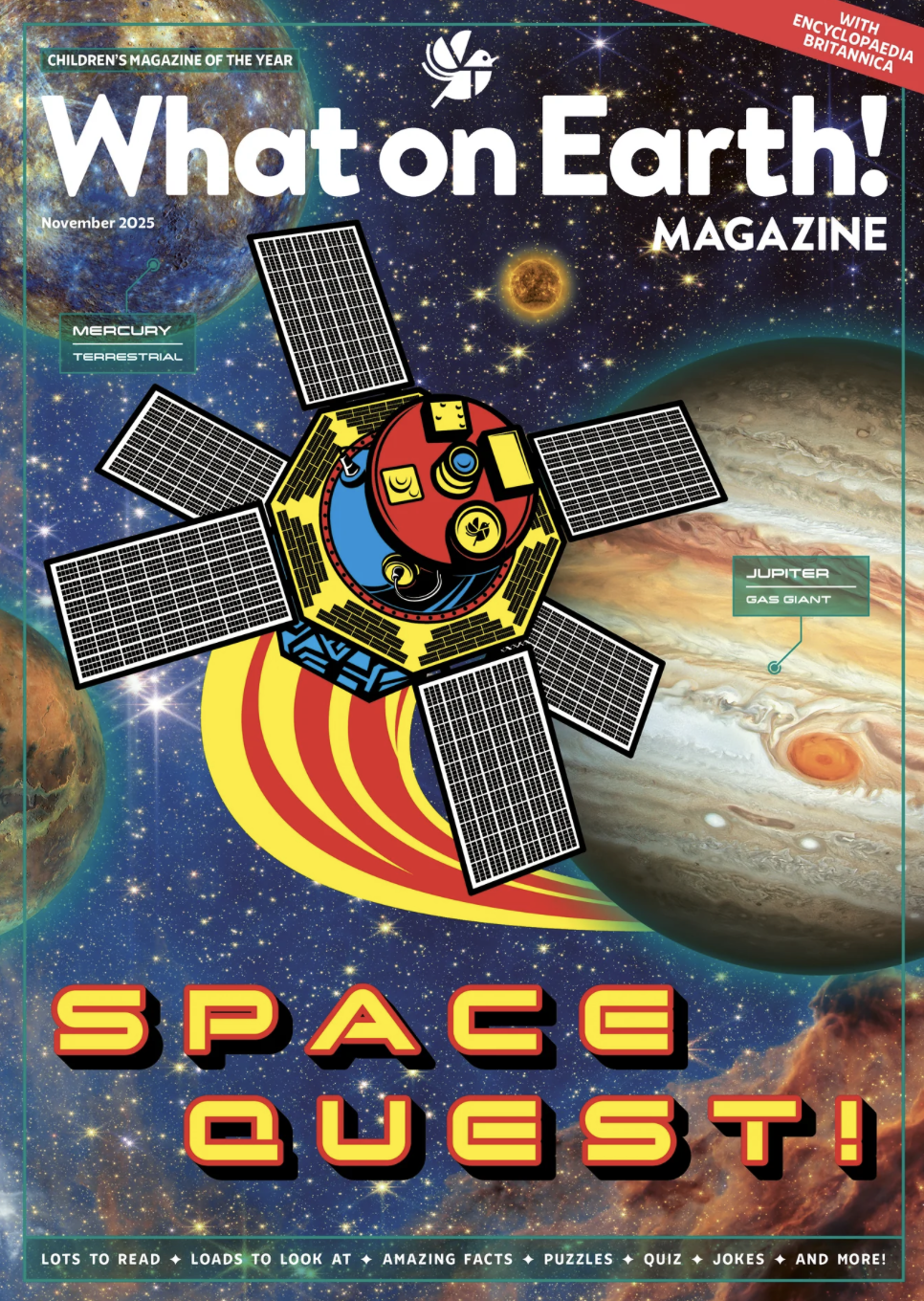
This magazine really taps into kids' natural curiosity about the world. It covers a wide range of topics - animals, space, nature, art, sport, dinosaurs, history and inventions - without feeling overwhelming. It's been my son's favourite for the last two years and he returns to it often, completing the puzzles and quizzes. It usually contains some amazing photography and has a really positive, uplifting message about all of the awesome things happening around the world.
Subscriptions often come with lovely extras like encyclopaedias, which makes it particularly good value and a great option for birthday or Christmas gifts.
6 months for £26.99 or 12 months for £53.99, includes a free gift. https://www.whatonearthmag.com/pages/subscribenow
The Week Junior (8-14)
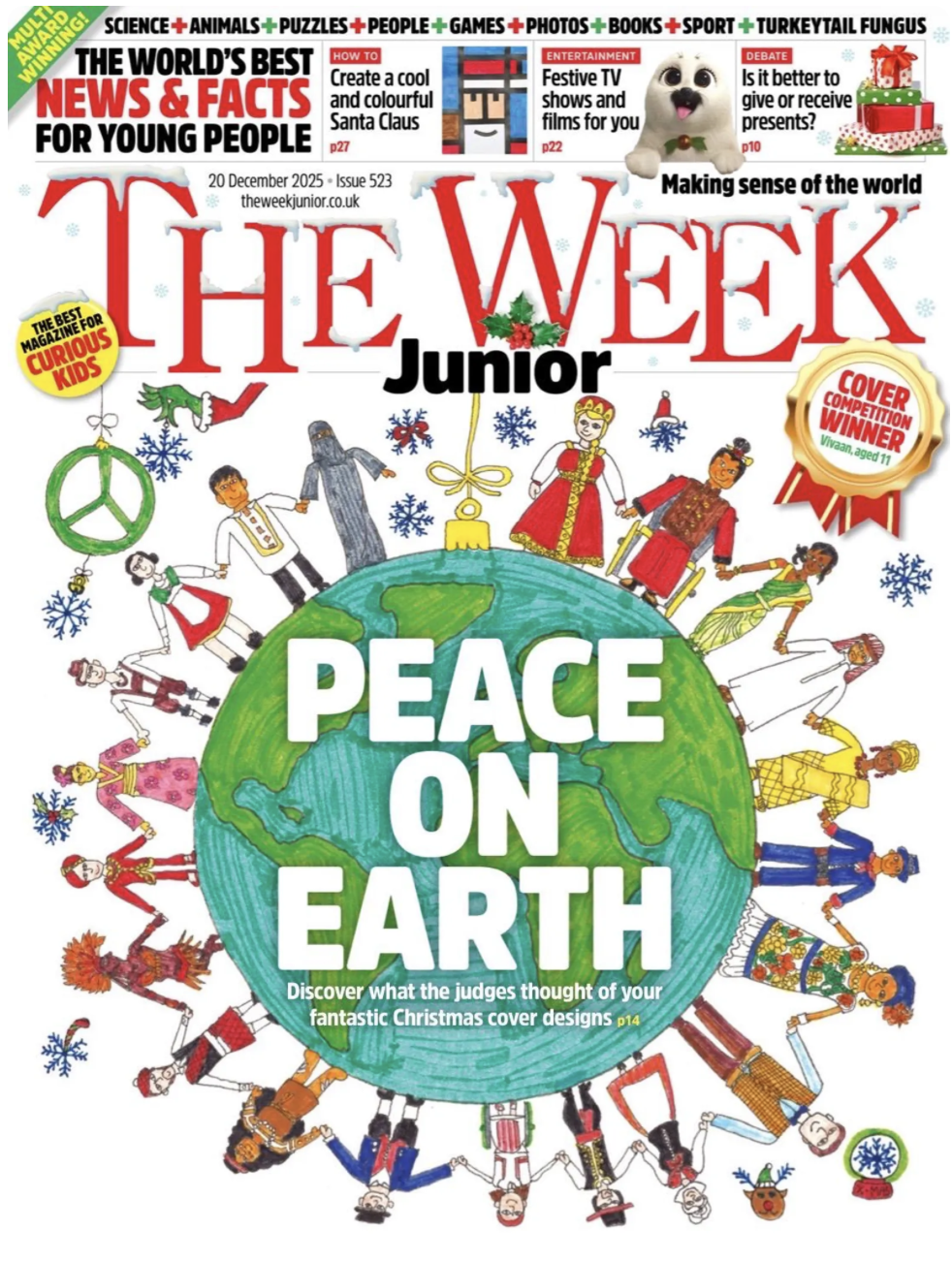
We’ve always tried to be intentional about how news enters our family life. Not wanting to shy away from important stories but also not wanting to worry them unnecessarily at a young age. We've always been led by them and their questions, addressing things as they come up rather than giving constant updates
As my son turned nine, his curiosity about wider world events grew, so we started picking up copies of The Week Junior for train journeys and I was pleasantly surprised. It tackles difficult topics thoughtfully and honestly, without being alarmist. It doesn’t shy away from reality, but it presents it in a way that feels age-appropriate and hopeful.
It’s similar in tone to The Week magazine for adults, which I'd recommend to parents who feel overwhelmed by the 24 hour news stream. It offers a calm, balanced weekly snapshot of what’s going on, without the sensationalism.
At £36.99 fror 3 months this is one of the more expensive subscriptions but they do very good introductory deals of £10 for 10 issues which you can cancel easily. However, this is one you usually can find in shops if you didn't want to get it every week.
National Geographic Kids (7-12)
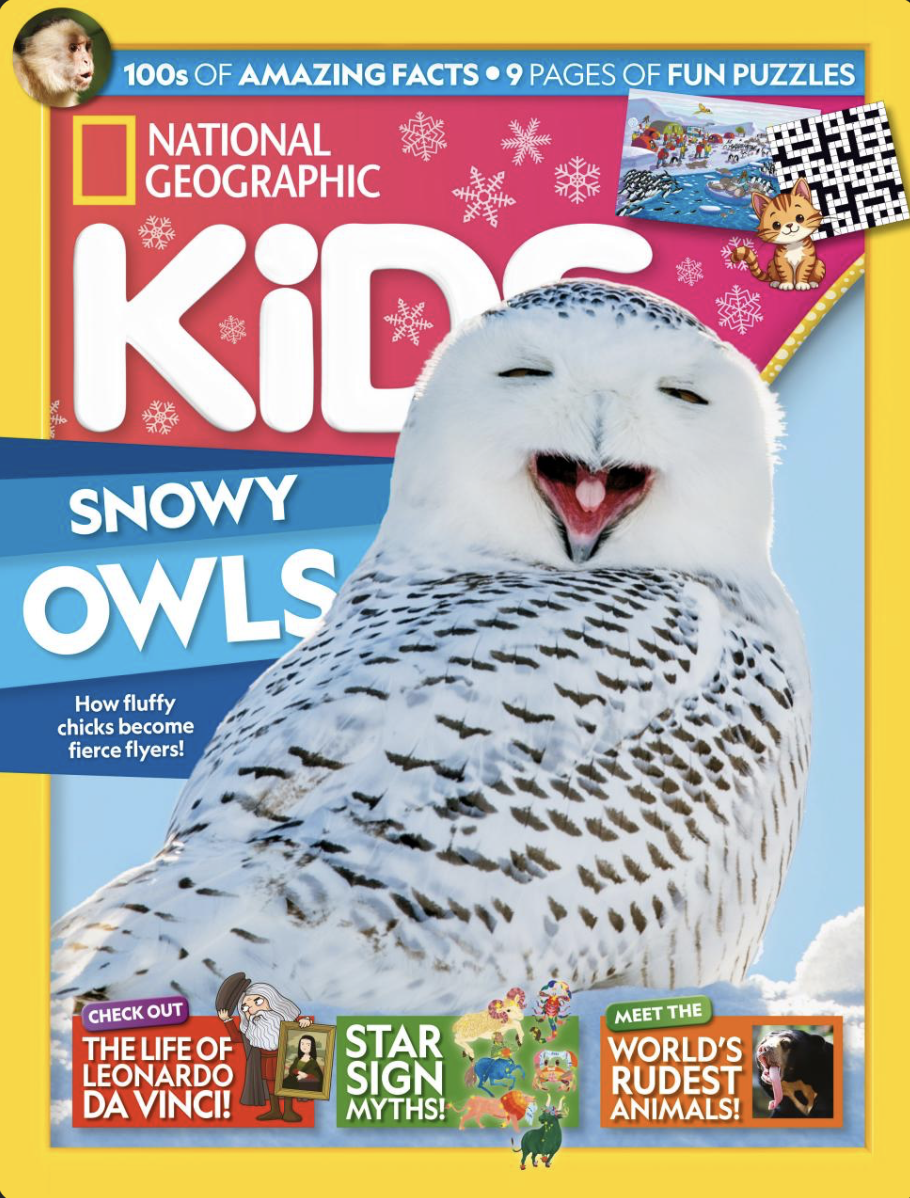
This is another one you can often find in the supermarket from time to time but their subscription is great value. It's a good choice for animal and natural lovers and contains so much information that it can feel a bit too jam-packed at times, but my daughter has learned so much about her favourite topic - animals and nature - through this magazine. In fact, we all have.
There are features on the environment, puzzles, spotlights on different countries, animals, explorers and people who care deeply about the natural world. It often comes with bonus magazines and specials so you get a lot of value from it.
£25 for 6 issues or £42 for 13 issues https://www.natgeokids.com/uk/subscribeuk/
Okido (3-7)
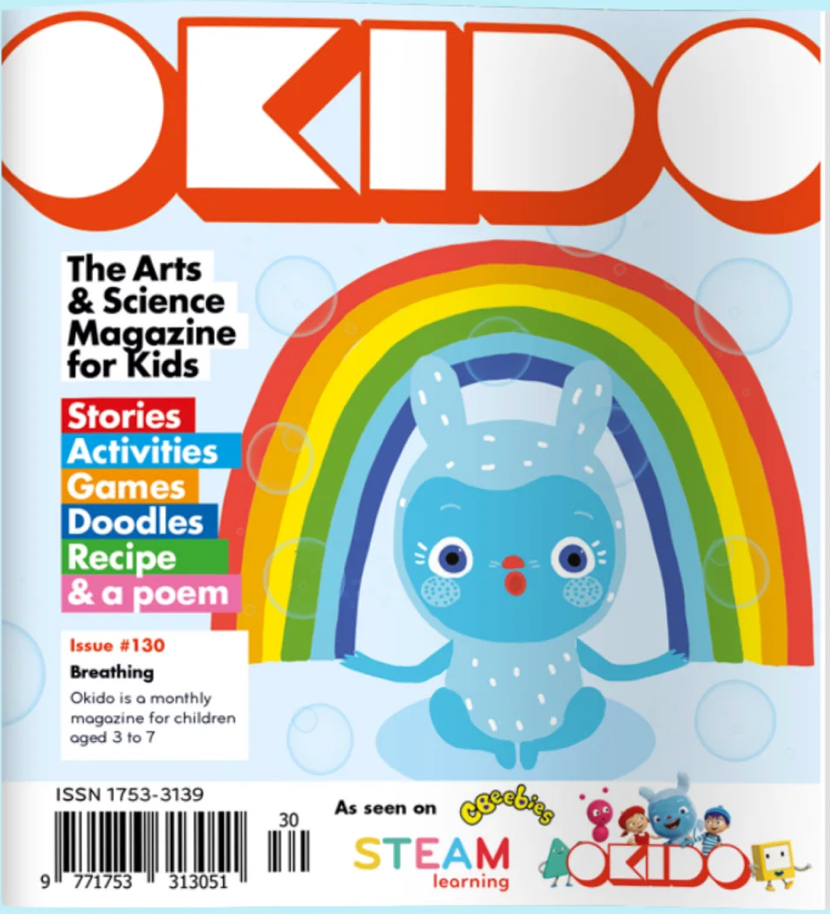
Okido is a monthly art and science magazine that my daughter loved when she was younger. It includes stories, puzzles, drawing activities and simple maths, all presented in a very simple and accessible way.
Because it’s pitched gently, it helped her build confidence - especially with numbers - and she could work through much of it independently. It’s a lovely starting point magazine for younger children. They also have a TV show on BBC iplayer 'Messy Goes to Okido' - perfect for little scientists.
£32.40 for 6 issues or £54 for 12 months https://store.okido.com
💬 If you have other magazine recommendations, feel free to add them in the comments (you’ll need to sign in with your email to comment).