

'Great things are not done by impulse, but by a series of small things brought together.'
Vincent Van Gogh
Our home education approach is mostly self-directed. The children follow their interests, choose projects and learn in ways that feel meaningful to them.
Alongside this, we do include some basic skill-building in our days and weeks. This isn’t a rigid timetable or a formal curriculum, and it often looks different depending on the day or what everyone is interested in.
These are simply a few things we return to regularly enough to build confidence, skills and fluency over time - quietly in the background - while the children explore their own paths. It’s our way of keeping options open without taking over their learning.
One of these ways is very small, but regular activities we do most mornings that have had a surprising effect on learning over the years.
Do they happen every single day? Probably not. But they happen most days. Over time, this has added up to lots of learning, new ideas and interesting discoveries.
Below are the ones which have stood the test of time:
1) Daily Poems
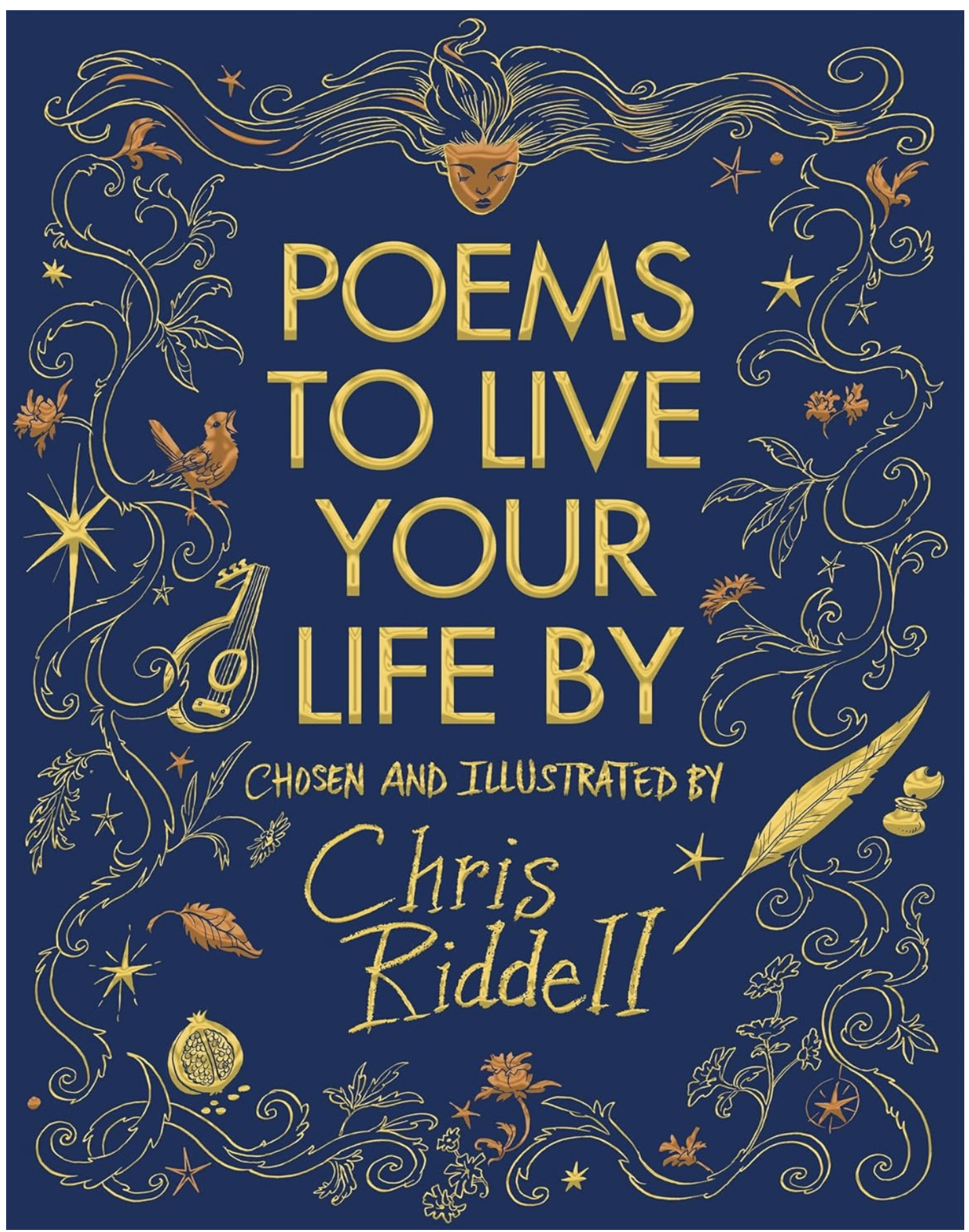

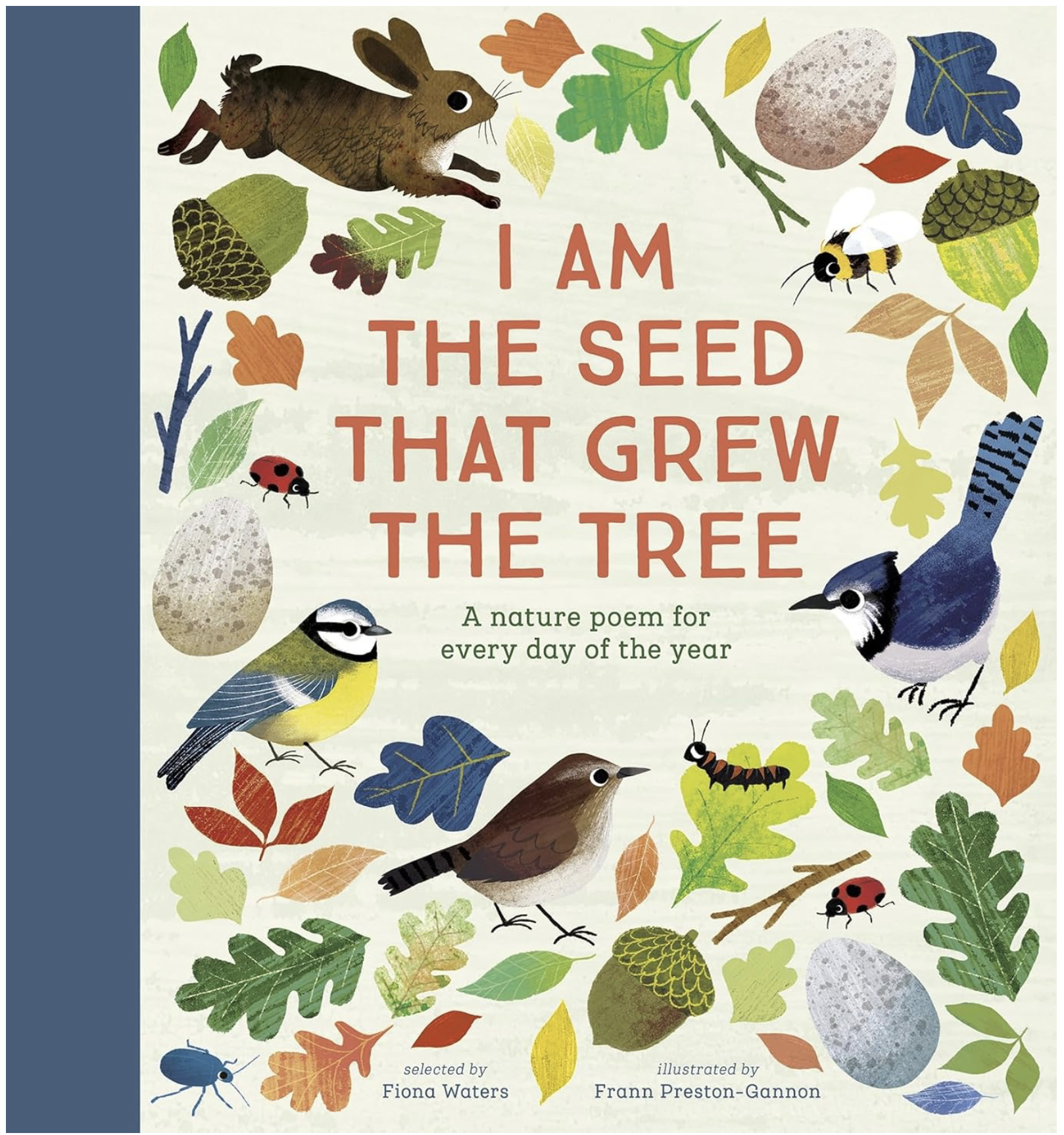
Poems to Live Your Life By, Tiger, Tiger, Burning Bright and I Am The Seed That Grew the Tree,
We’ve had these poetry books for years and try to read a poem from each of them at breakfast. They're great because the poems are all different: different lengths, styles, themes and genres.
Benefits of Daily Poetry:
- Familiarity Cultivates Appreciation: Over the years of reading these poems, kids come to recognise many of them. Hearing favourites again and again helps develop a genuine love of language, showing how repeated exposure deepens understanding and enjoyment.
- Exposure to Variety: At the same time, poetry offers incredible variety. Kids won’t love every poem, but encountering different poets and styles helps them notice which ones resonate - and which ones don’t - encouraging them to explore and form their own tastes.
- Real-world connections: They make links between poems and real life - weather, nature, feelings. They might spot a poet or idea in another book, or connect themes across different learning experiences, making it meaningful and memorable.
- Reciting: Saying poems aloud strengthens memory and language skills and boosts confidence. It can also be really relaxing and fun.
- Creative freedom: There are no strict rules with poetry which means they're great for exploring! Kids can experiment, play with language and express themselves freely.
- Inspiring writing: Seeing a variety of poems encourages kids to write their own - silly, playful or imaginative - allowing it to be fun, rather than a chore.
Poetry is such a powerful tool for learning. I’m excited to write more about it in future posts.
Other Recommended Poetry Books:
Michael Rosen's Book of Very Silly Poems
Michael Rosen's A-Z: The Best Children's Poetry from Agard to Zephaniah
2) Daily Puzzle
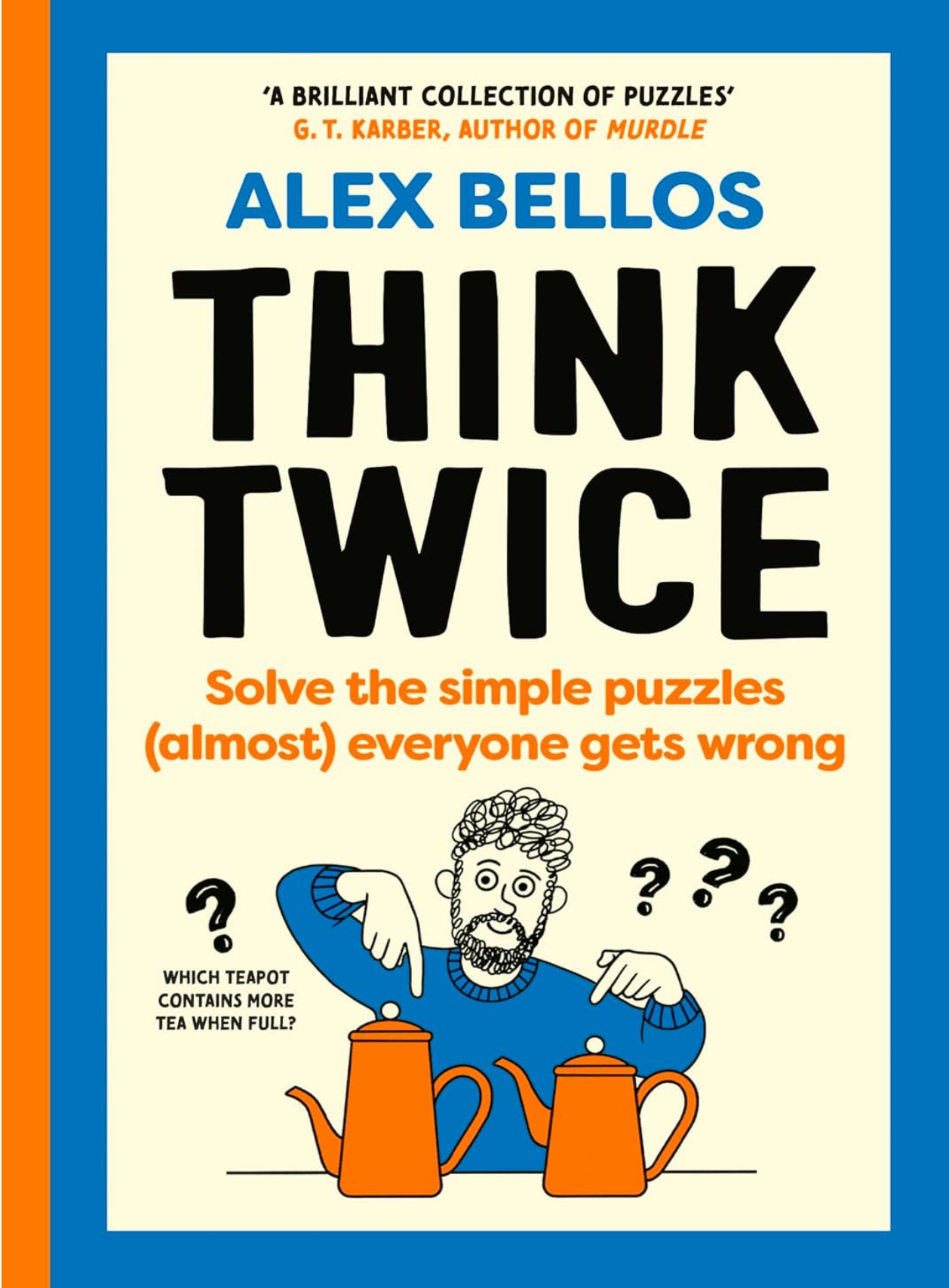
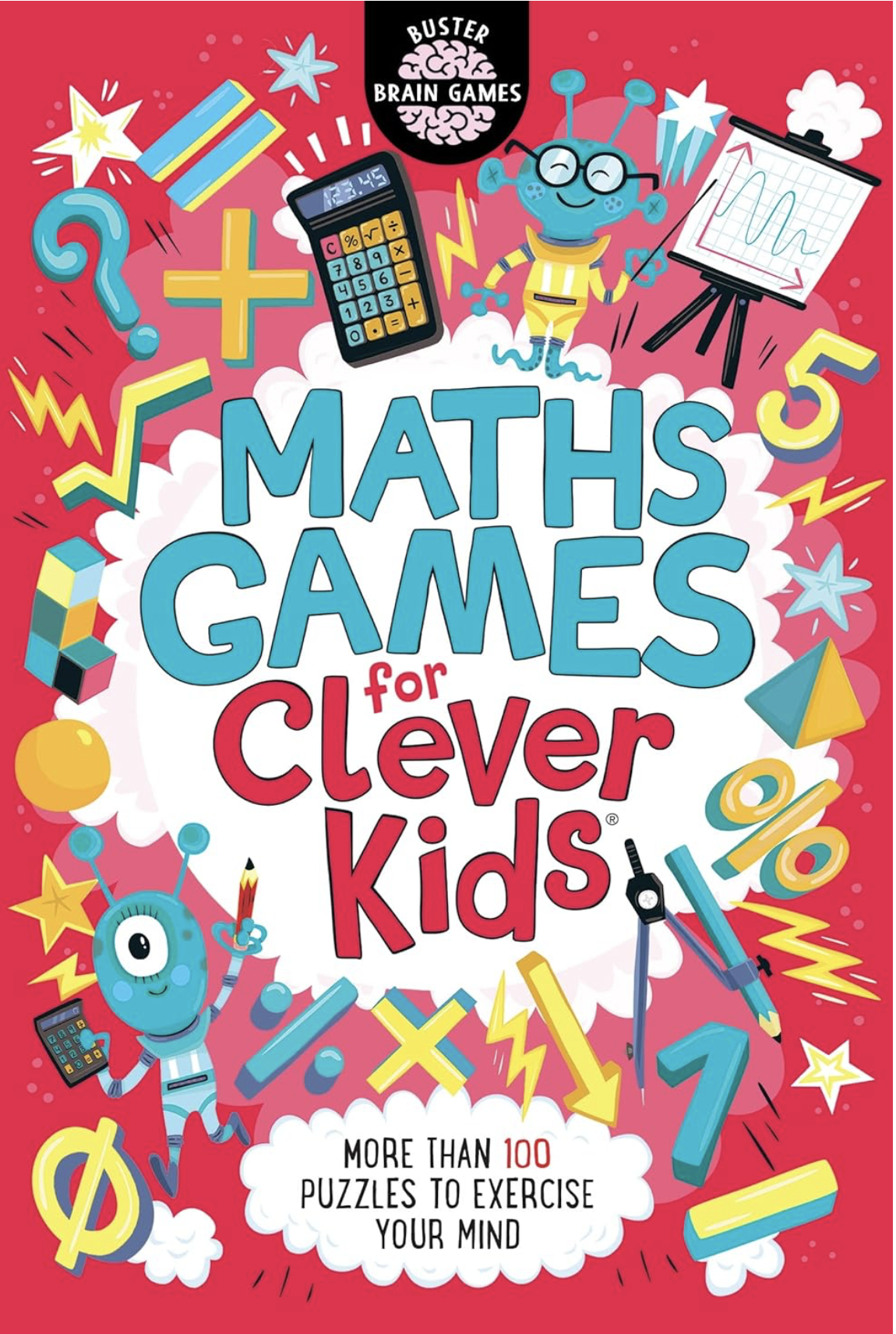
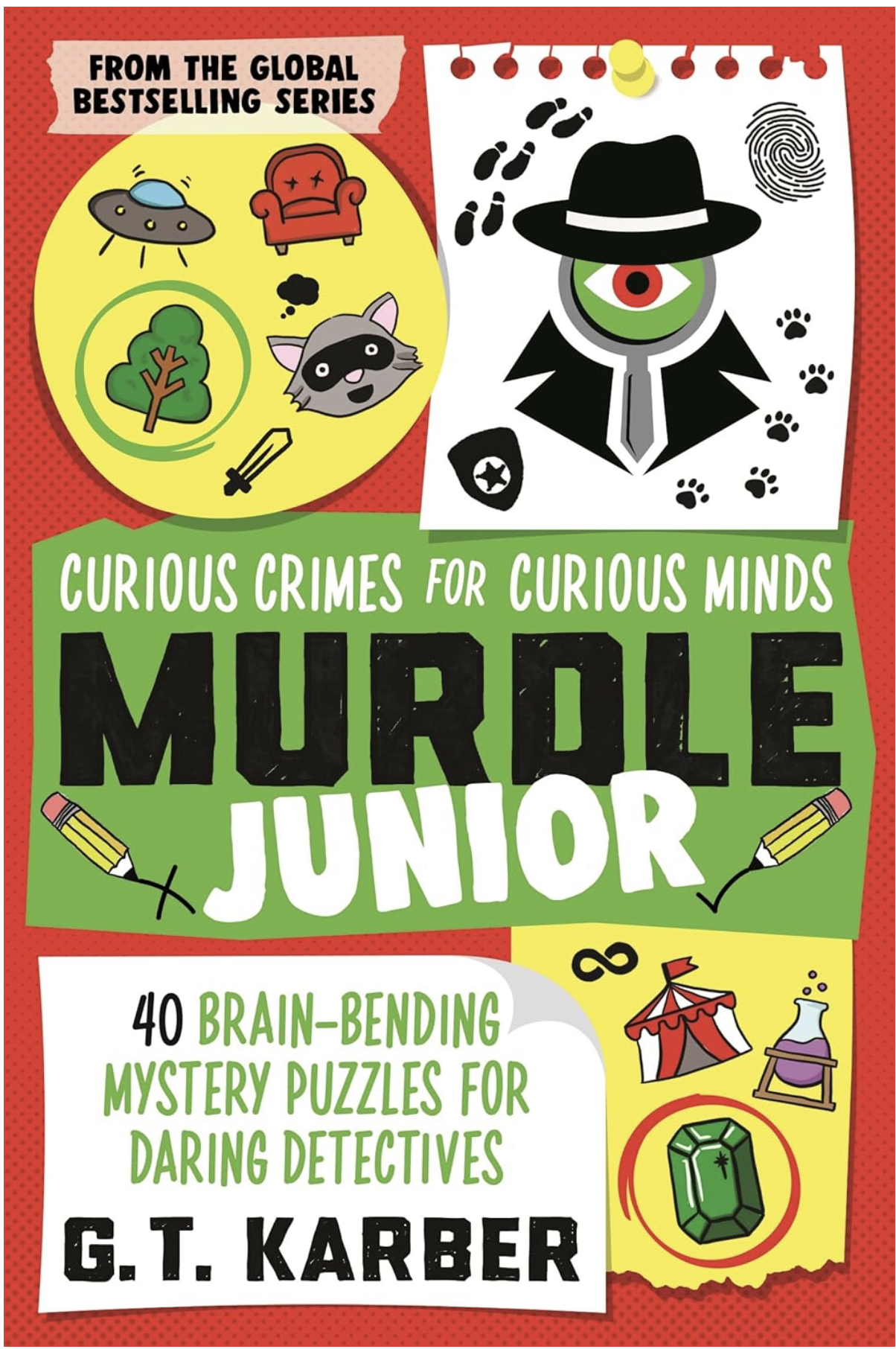
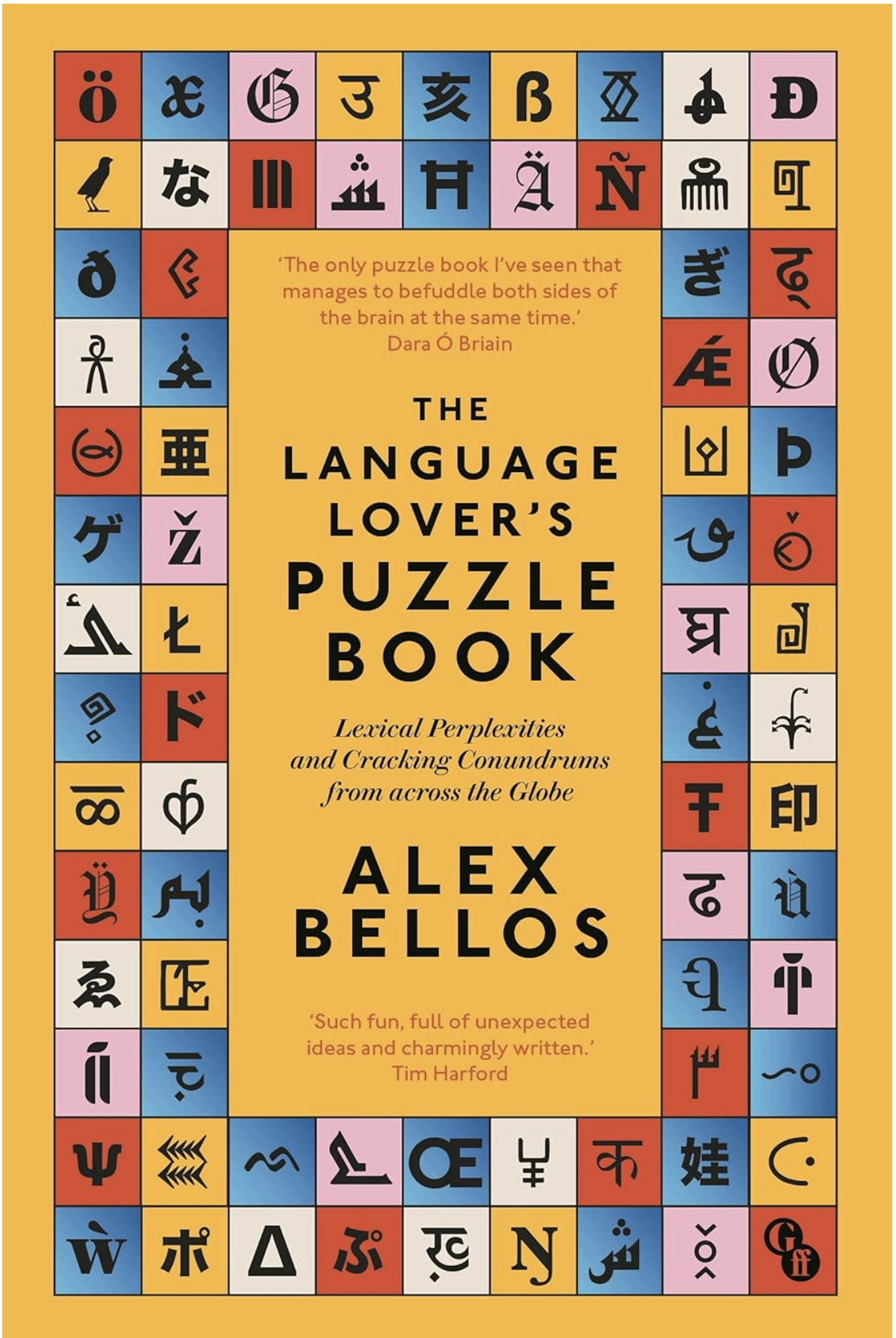
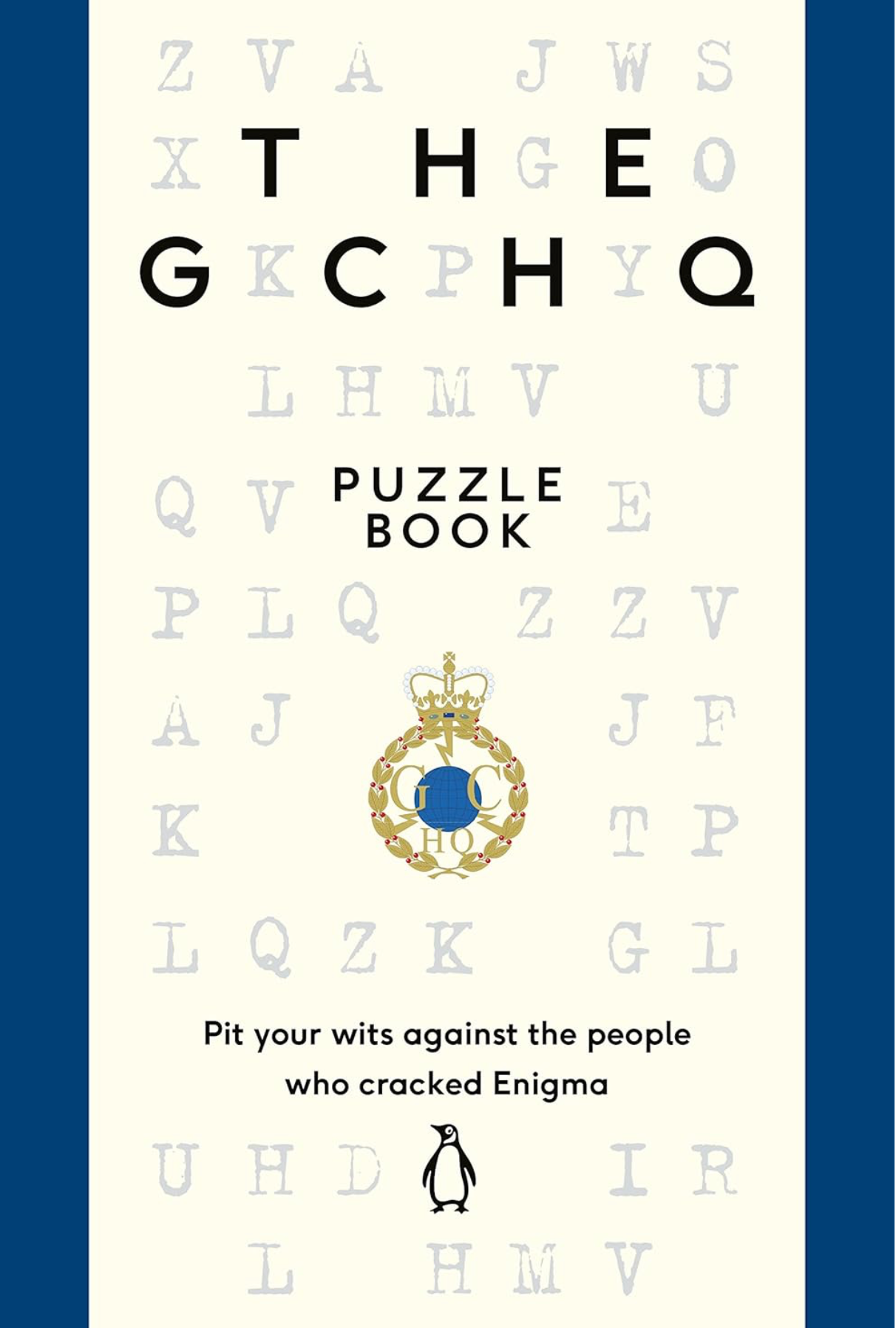
Think Twice by Alex Bellos, Maths Games for Clever Kids by Dr Gareth Moore, Murdle Junior: Curious Crimes for Curious Minds by GT Karber, The Language Lovers Puzzle Book by Alex Bellos, The GCHQ Puzzle Book
My husband and I received a couple of puzzle books last Christmas and quickly became hooked - and our 9-year-old joined us! We've now got into the habit of doing a few of these a week, usually whilst having breakfast (and sometimes needing the rest of the day to think about it before we can solve it!). Our 6-year-old has recently started to join in, noticing things our older, slower brains haven't quite picked up on!
The puzzle books above are the ones we use the most. They're a mix of adult and children’s titles. Try both, and you’ll quickly get a sense of what your child is ready for.
Benefits of Daily Puzzles:
- Mental Flexibility & Critical Thinking Skills: Reasoning, thinking outside the box, problem-solving and analytical thinking - crucial skills in today's world.
- Focus & Perseverance: They teach concentration and the value of not giving up. It can be easy to want to give up when they're particularly hard, but if you do them together and pool your ideas, it can keep the momentum up.
- Confidence & Achievement: Successfully solving a challenging puzzle is incredibly rewarding!
- Collaboration & Connection: Working on puzzles together makes it fun, encourages teamwork and also encourages sharing ideas when you get stuck.
A little note: Some kids (and maybe even you) will hate these. Have a go at different types of puzzles - language, images, maths, logic. It's not about getting them right, but more about encouraging the curiosity and experimentation of playing around with ideas.
3) Daily Question

This is something I used to do with the kids in my class. I’d put a question on the board, and they’d have a chat about it as they arrived for the day. Now I do the same for my kids, and it’s always really fascinating to hear their thoughts - there are no “right” answers.
Examples below, from deeply philosophical to just pretty funny:
- Can a machine ever truly understand a human?
- Which four words describe you best?
- If animals could talk, which would be the rudest?
And you don’t have to think of your own questions - there are so many you can find online. Take a look here, here and here for plenty of examples.
4) Word of the Day
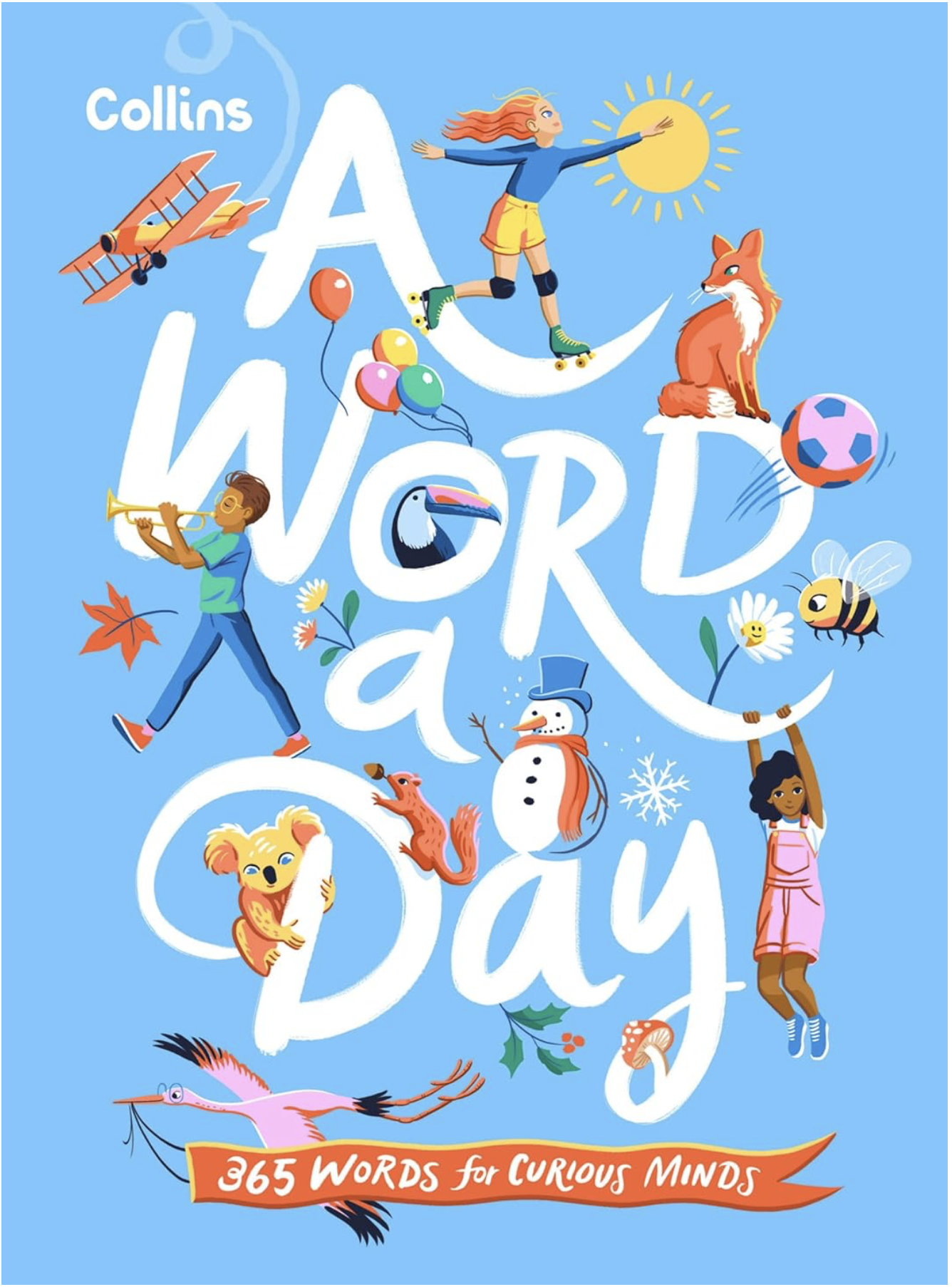
Word play is such a great way of learning to feel comfortable with language, which is the foundation of a love of reading and writing.
We use this book ⬆️ to explore a new word each day - not to memorise definitions, but to see how words work. It explains the meaning, shows how to use it, sometimes shares the origin, links it to interesting facts or events and even introduces grammar concepts without relying on dull textbooks.
Some of the more unusual words we've learnt from this book:
Collywobbles: an uncomfortable feeling in the stomach caused by worry or fear.
Mistpouffer (my favourite for just how wonderfully precise it is!): A mysterious, booming sound over lakes or rivers, sometimes emerging from fog or mist.
🏫 If you're following the curriculum or returning to school in the future, you could use year group word lists or words from verbal reasoning tests to do the same thing here - it's far more enjoyable than learning a list of words by heart.
5) Daily Trivia
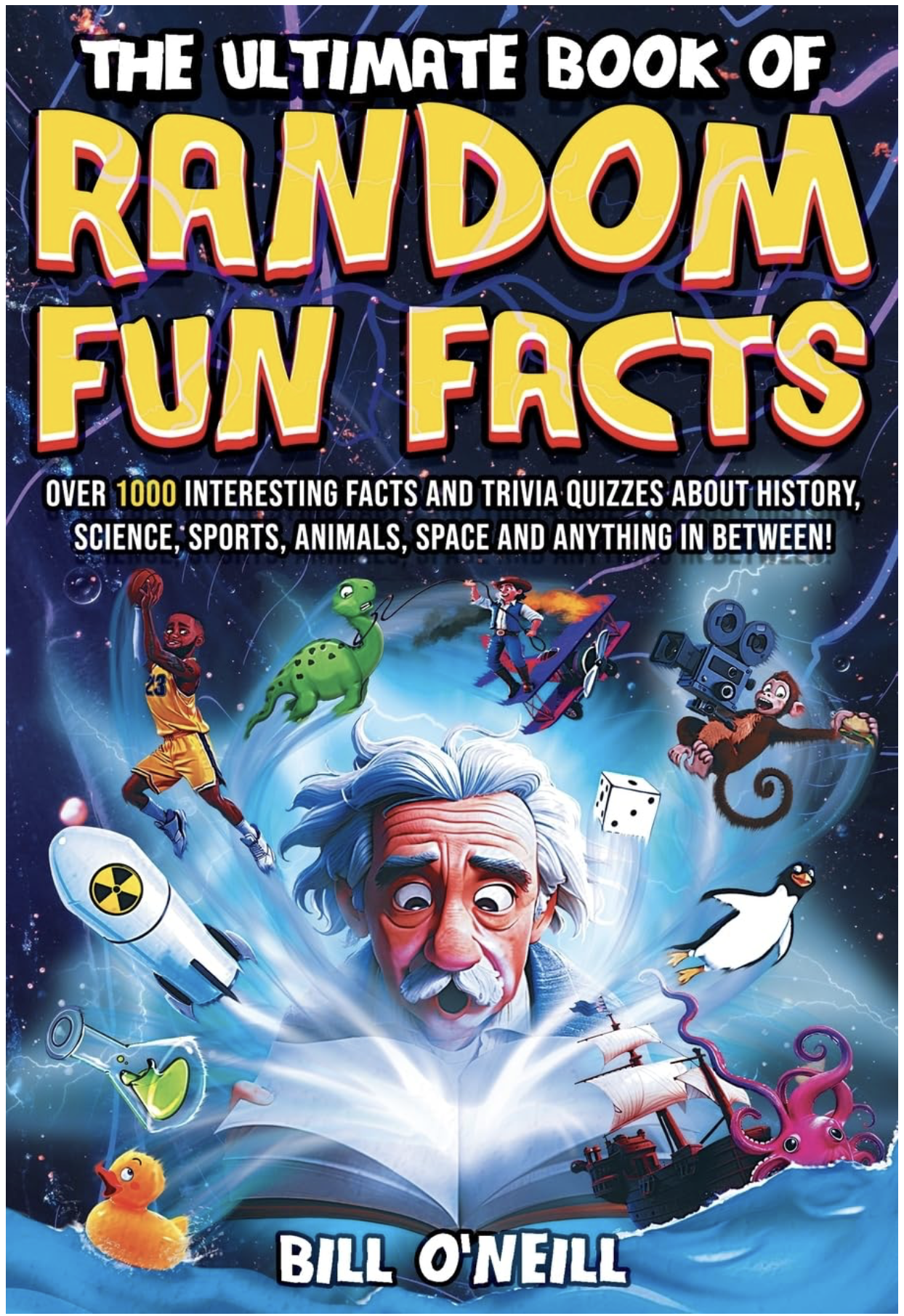
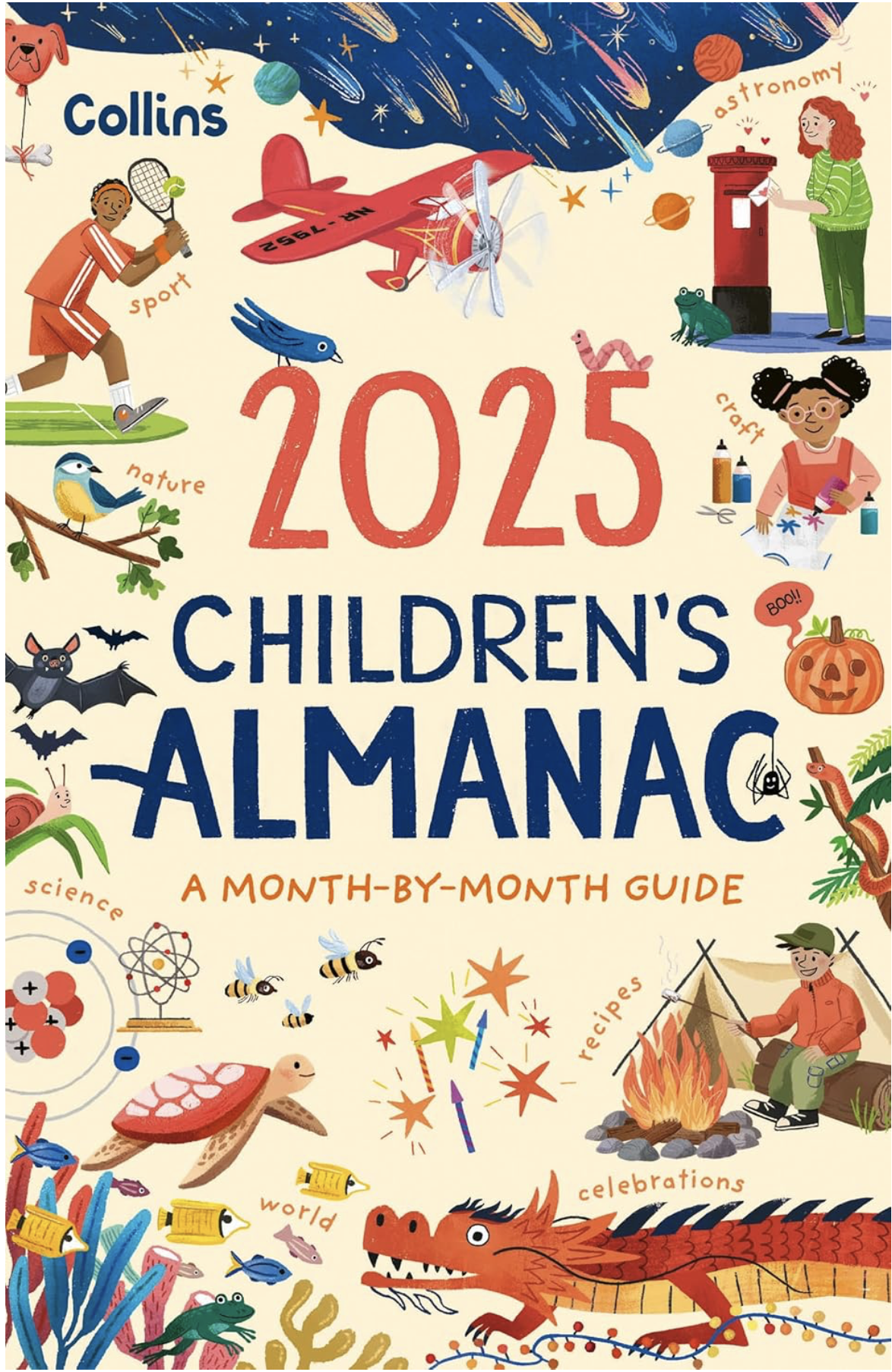
Ultimate Book of Random Fun Facts and 2025 Children's Almanac
This started when I found an old trivia book in a second-hand shop, full of fascinating facts about clouds, flags, capital cities, populations, measurements, currencies - you name it. My son was hooked, though a lot of it was out of date, especially the sections about other countries - which sparked some fun history tangents!
We’ve since found a couple of other trivia books ⬆️ we really enjoy. Some highlights:
- Absorbing random facts: Over time, we’ve picked up so much information about all sorts of random things.
- Making connections: Trivia often links to other books, conversations, ideas, observations, as well as documentaries and movies. One of the great things about not learning subjects in isolation is seeing these connections across the world.
- Small daily bites: A few minutes each day sticks better than a long lesson on something you’re not interested in - and it encourages curiosity, opening doors to further learning.
✉️ I’d love to hear from you - what small daily activities have sparked curiosity or learning for your kids?
Share your favourites with me at jo@thehomeedhelp.com