
I've read so many books over the last ten years about parenting, learning and home education. Some have been inspiring, some a little too idealistic, some wonderfully practical and others not quite for me.
Below are the ones I've kept. They're the books I return to again and again, whether for a quick dip or a full re-read. They've all shaped the way I think about children, learning and home educating, and each one has left its mark in a different way.
If you're in need of inspiration or practical help, I'd wholeheartedly recommend the following reads:
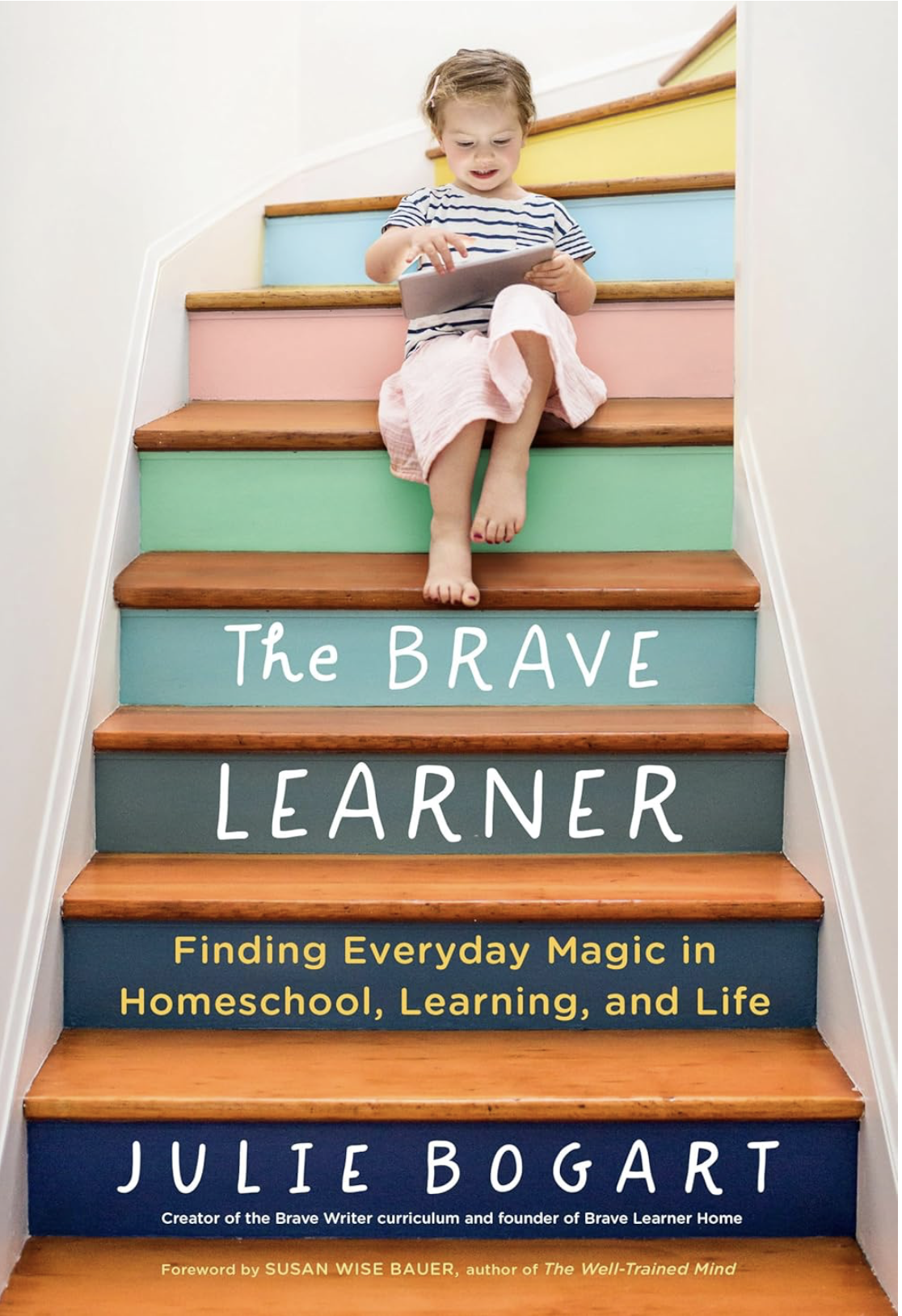
📚 The Brave Learner - Julie Bogart
This is probably the book that leaves me feeling most inspired and re-energised every time I pick it up. It's full of learned wisdom (Julie Bogart homeschooled 5 kids), but also incredibly practical.
It's filled with learning ideas, rhythms and routines for family life, inspiring approaches to difficult scenarios and realistic encouragement from someone whose voice I trust. A great book for anyone starting out, needing inspiration or finding themselves in a bit of a rut.
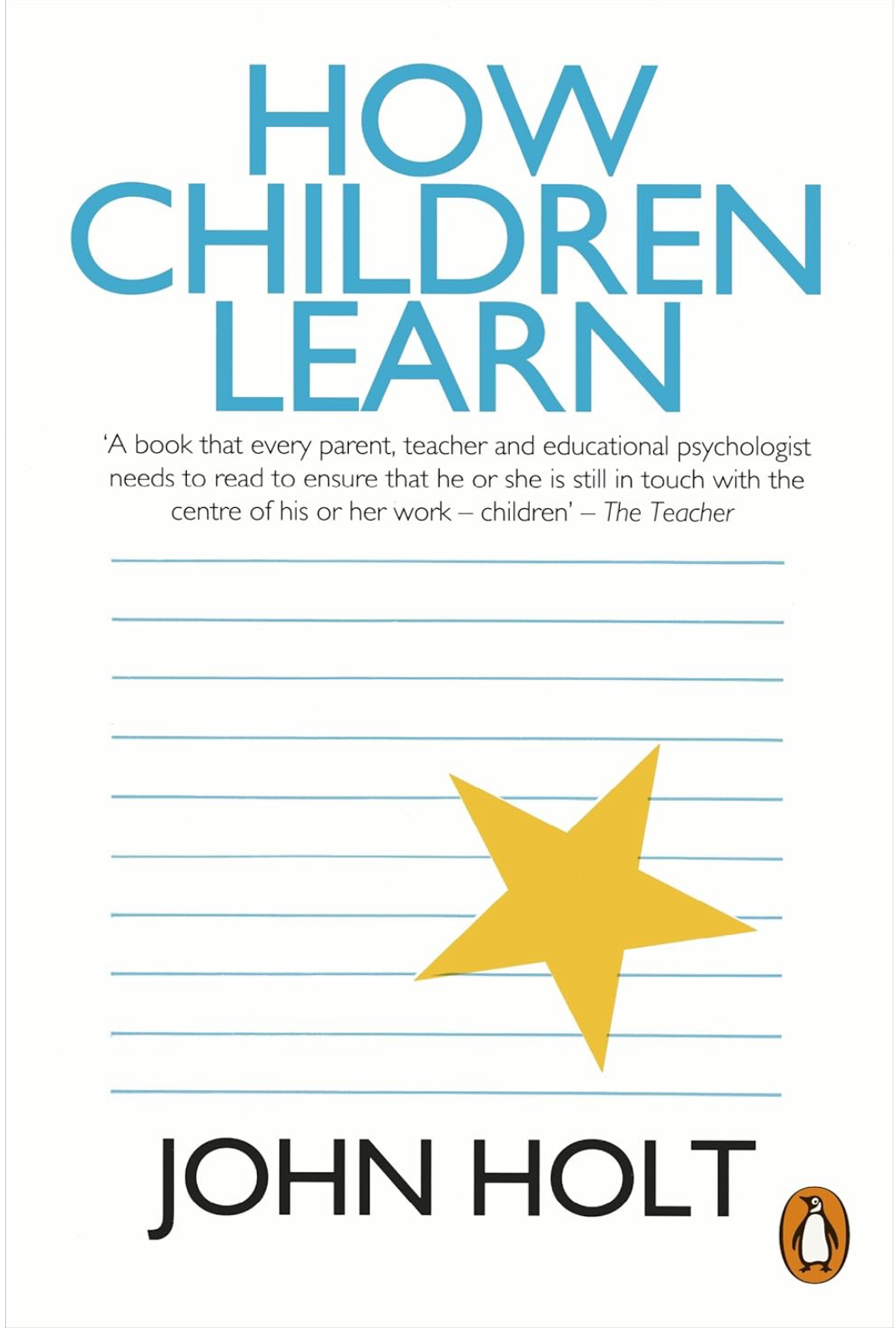
📚 How Children Learn by John Holt
I'm a big fan of John Holt. Not everyone is, and I've heard people say that some of his ideas have fallen out of favour in recent years. But that doesn't change the impact this book has had on me.
The central idea is simple but incredibly powerful: children are naturally driven to learn. They already possesss the drive and intelligence to learn and our role as parents and educators isn't to constantly direct the process, but to create the environment where curiosity, autonomy, experimentation and growth can flourish. I wrote more about this here.
When I first read it, so much of what Holt described mirrored what I was already seeing in my own son. It helped me trust those observations and think differently about what learning can look like outside a classroom.
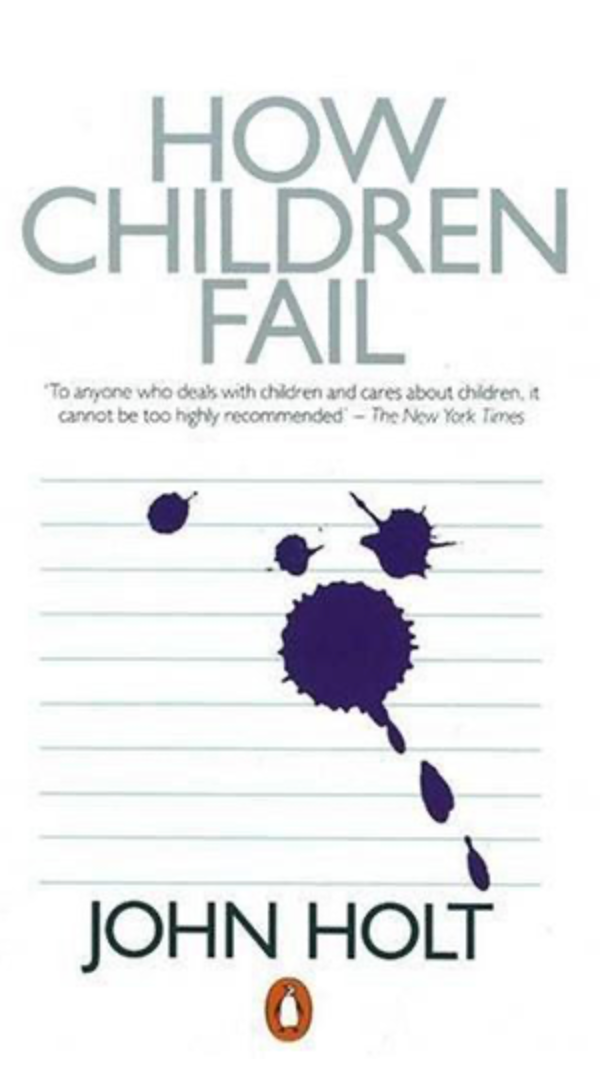
📚 How Children Fail - John Holt
This book was eye opening and came with a fair amount of teacher guilt (a warning to any former or current teachers planning to read it!).
It's more critical in tone than How Children Learn, but his observations are fascinating. What makes his perspective so interesting is that he spent time not only teaching but also closely observing children as they learned as a partner teacher in a classroom.
He had the opportunity to experiment with ideas and closely watch how children approached problems, interacted with one another and responded to challenges. He noticed how fear of failure often shaped their learning, influencing everything from answering questions in class to their relationships with peers. One of the ideas that stayed with me is that what's often viewed as school 'failure' is often less about ability and more about the emotional environment around a child, where fear, pressure and performance can get in the way of their natural thinking.
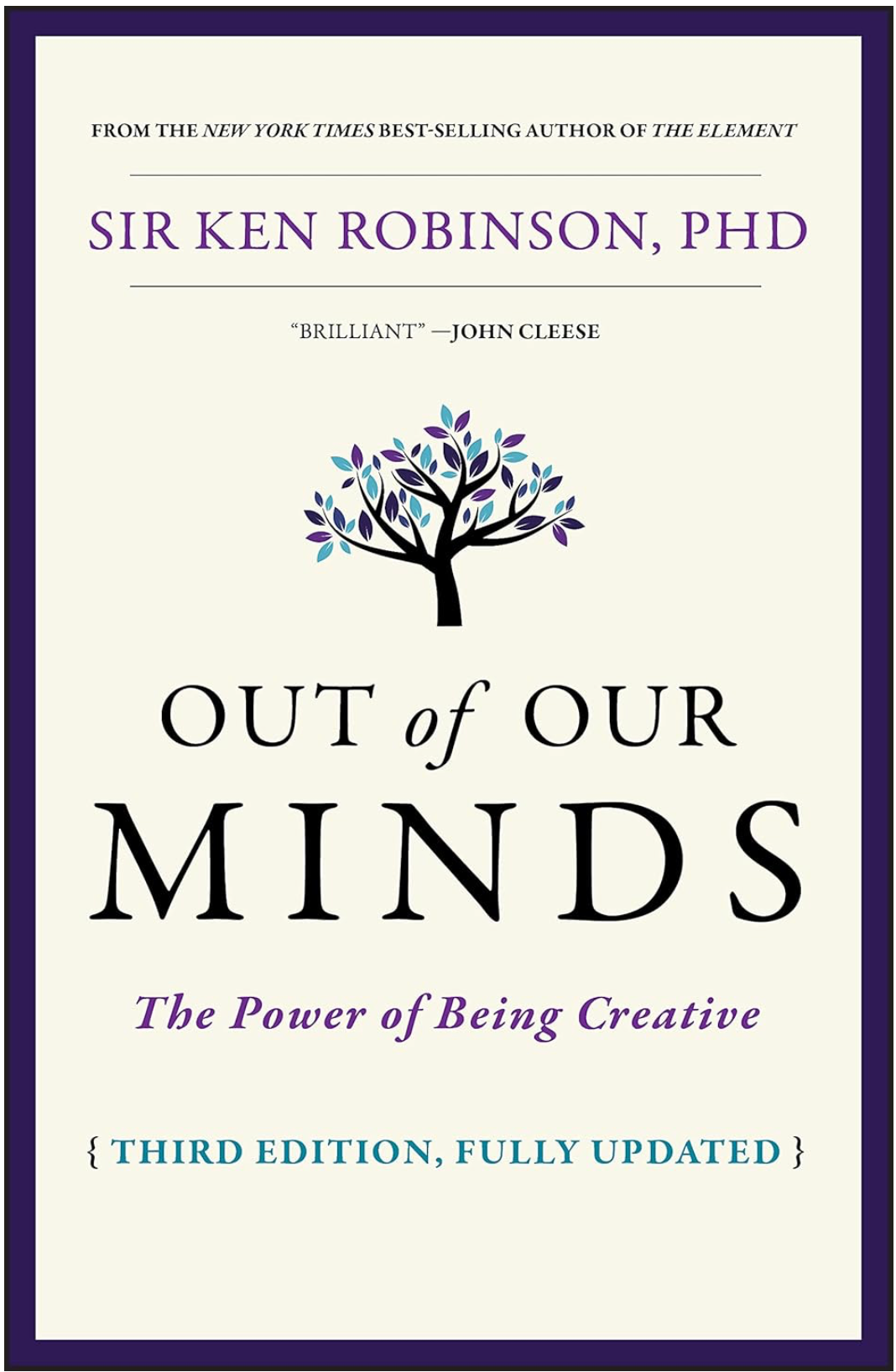
Out of Our Minds by Sir Ken Robinson
Alongside his extremely powerful Ted Talk , this was one of the books that changed the way I think about education altogether.
Sir Ken Robinson explores how creativity is often sidelined in modern schooling and makes a compelling case for why it should be valued just as highly as traditional academic achievement. Rather than seeing creativity as something reserved for artists or musicians, he presents it as a fundamental part of how humans learn, solve problems and make sense of the world.
It challenges some strongly held assumptions about intelligence, success and what it means to be educated, which feel more important than ever with rapid technological advancement and AI.
It's not specifically a home education book, but many of the ideas feel highly relevant to home educators about how we can nurture curiosity, individuality and creativity, rather than focusing on outcomes and performance.
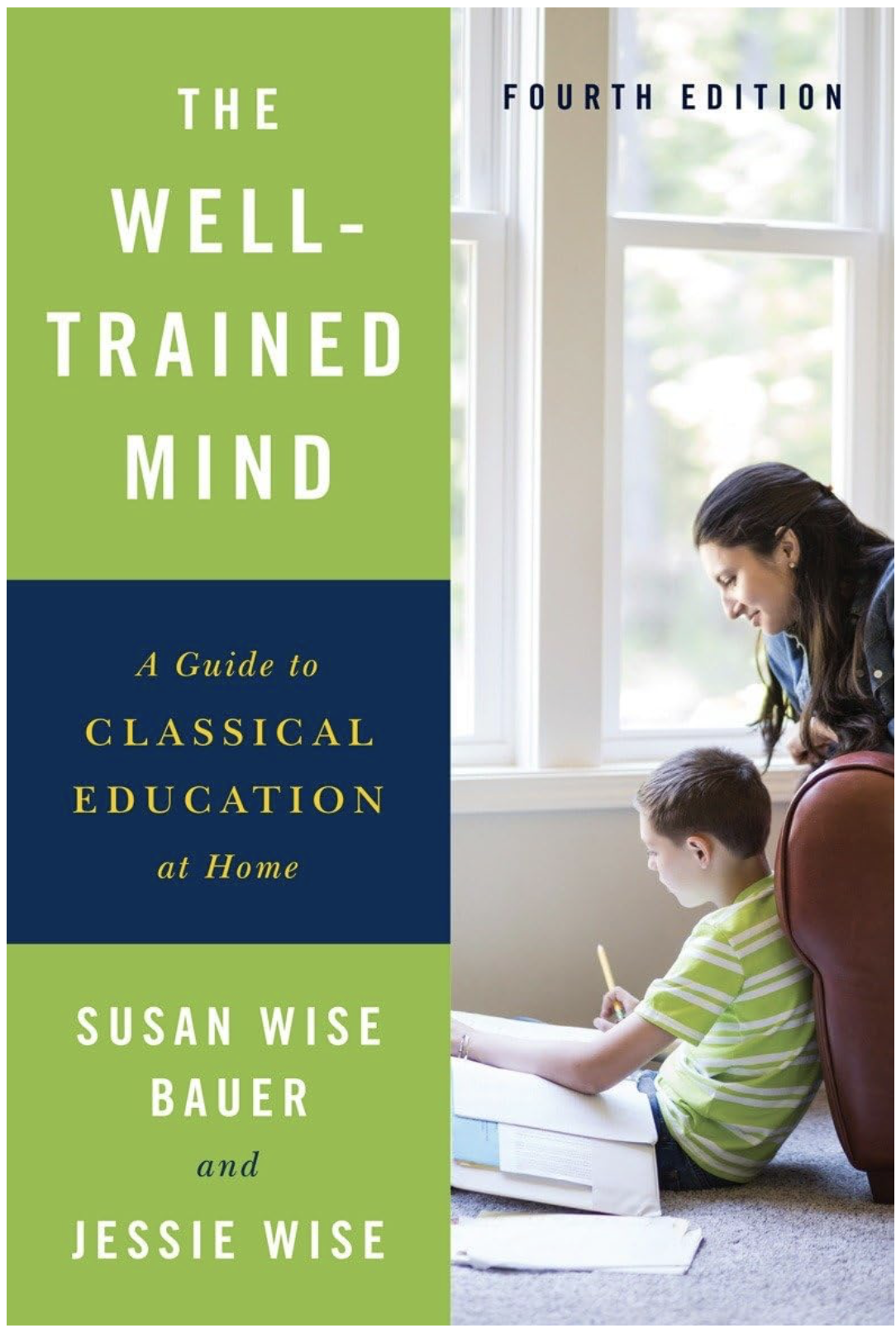
📚 The Well-Trained Mind - Susan Wise Bauer
We don't follow a classical education model as such, but I still find this book incredibly useful and interesting to dip into.
I especially like the idea of the grammar, logic and rhetoric stages, which reflect children's changing ways of thinking as they grow: from absorbing and imitating, to questioning and reasoning, and eventually expressing their own ideas with confidence.
What surprised me most was just how slowly and thoroughly the approach moves. Despite its reputation for being rigorous, it encourages mastery over speed, revisiting ideas repeatedly and spending time on building genuine understanding before moving on.
It also encourages the use of great works of literature, art and music to inspire and learn from and it contains lots of useful tools, ideas and resources for learning specific subjects and skills. The sections on writing and history have been particularly helpful in our home education.
Even if you're more self-directed or unschooling in your approach, there are plenty of useful ideas here.
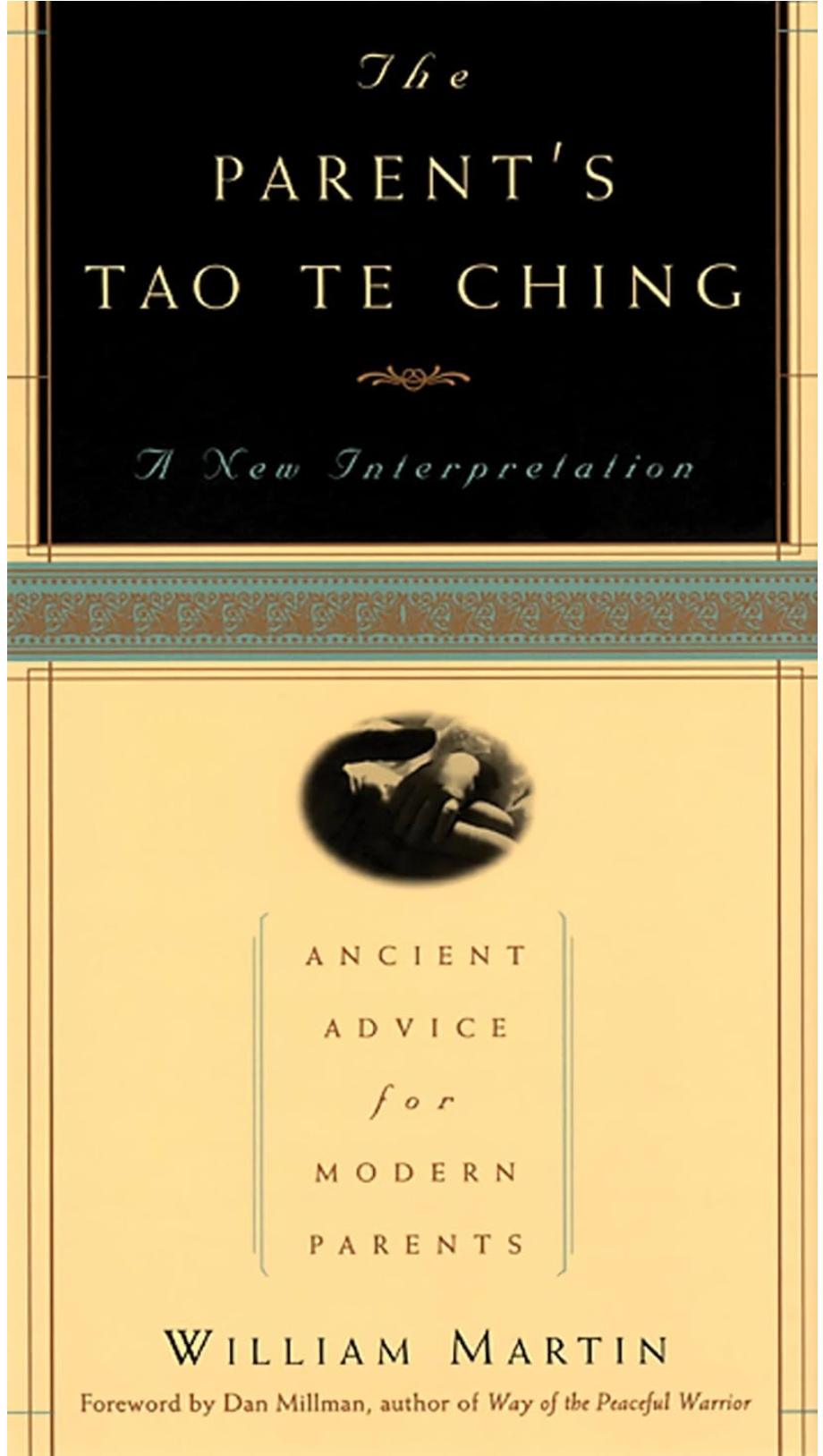
📚 The Parent's Tao Te Ching by William Martin
If there were one book I would give as a gift to every new parent, it would be this one. Based on the ancient Chinese Tao Te Ching, this book offers short reflections on areas of parenting such as trust, patience and letting go.
It's not a home education book, but for me it sits underneath so much of what home education - and parenting - is about.
I keep it by my bed and return to it so often, usually for reassurance after a bad day or if I'm having a wobble (they're pretty common when you home educate 😁). It reminds me of the reasons behind what we're doing. Despite being thousands of years old, its wisdom still feels important.
Here's one of my favourite reflections:
'Do not ask your children
to strive for extraordinary lives.
Such striving may seem admirable,
but it is the way of foolishness.
Help them instead to find the wonder
and the marvel of an ordinary life.
Show them the joy of tasting
tomatoes, apples and pears.
Show them how to cry
when pets and people die.
Show them the infinite pleasure
in the touch of a hand.
And make the ordinary come alive for them.
The extraordinary will take care of itself.'